
If you’re building or repairing a handrail, walkway, or barrier, the last thing you want is to order the wrong size pipe. For anyone working with Uni-Fit handrail systems or other steel projects, knowing the standard pipe sizes can save a lot of frustration on site.
Steel pipes are measured by their nominal bore (NB), outside diameter (OD), and wall thickness. The numbers don’t always match what you measure with a tape, so having a reference chart helps when you’re working out which fittings and connectors you need.
Why the Right Size Matters
Uni-Fit modular handrail systems are designed to work with standard pipe sizes. If the pipe doesn’t match the fittings, the whole job can slow down. Getting it right means:
- Every connector and clamp will fit properly
- Assembly is faster with less rework
- The finished handrail meets safety requirements
- You avoid extra costs fixing mistakes
Standard Steel Pipe Sizes
Here’s a quick guide to the most common steel pipe sizes used in Uni-Fit handrail systems and other construction work.
| Nominal Bore (NB) | Outside Diameter (OD) (mm) | Wall Thickness (mm) |
|---|---|---|
| 15 NB | 21.3 | 2.6 |
| 20 NB | 26.9 | 2.6 |
| 25 NB | 33.7 | 3.2 |
| 32 NB | 42.4 | 3.2 |
| 40 NB | 48.3 | 3.2 |
| 50 NB | 60.3 | 3.6 |
| 65 NB | 76.1 | 3.6 |
| 80 NB | 88.9 | 4.0 |
| 100 NB | 114.3 | 4.5 |
| 150 NB | 168.3 | 4.8 |
Getting the Right Pipe for the Job
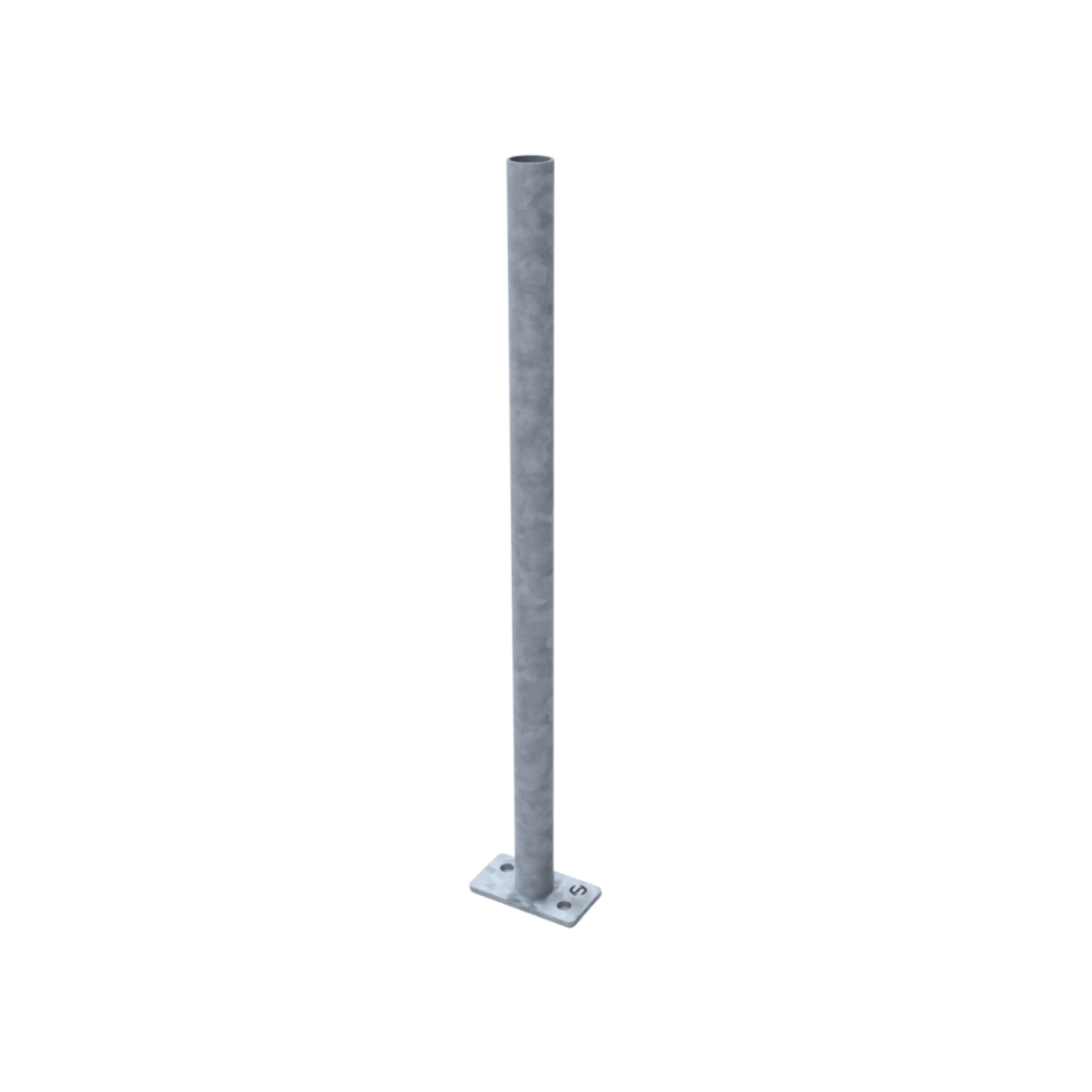
Most handrail builds will use 32 NB, 40 NB, or 50 NB pipe, but larger or smaller sizes might be needed for ramps, walkways, or custom layouts. If you’re not sure, measure the outside diameter of your existing pipe before ordering any new fittings.
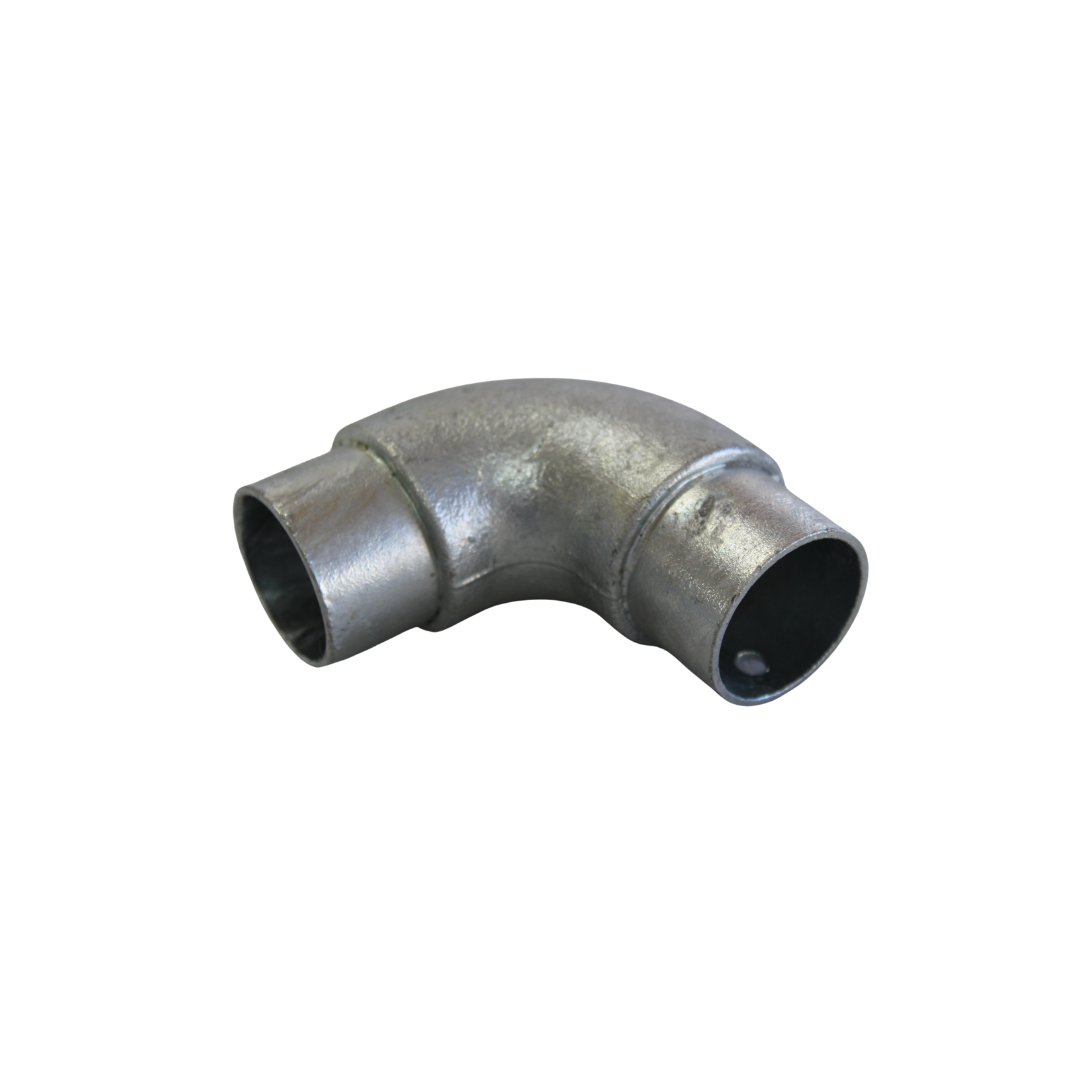
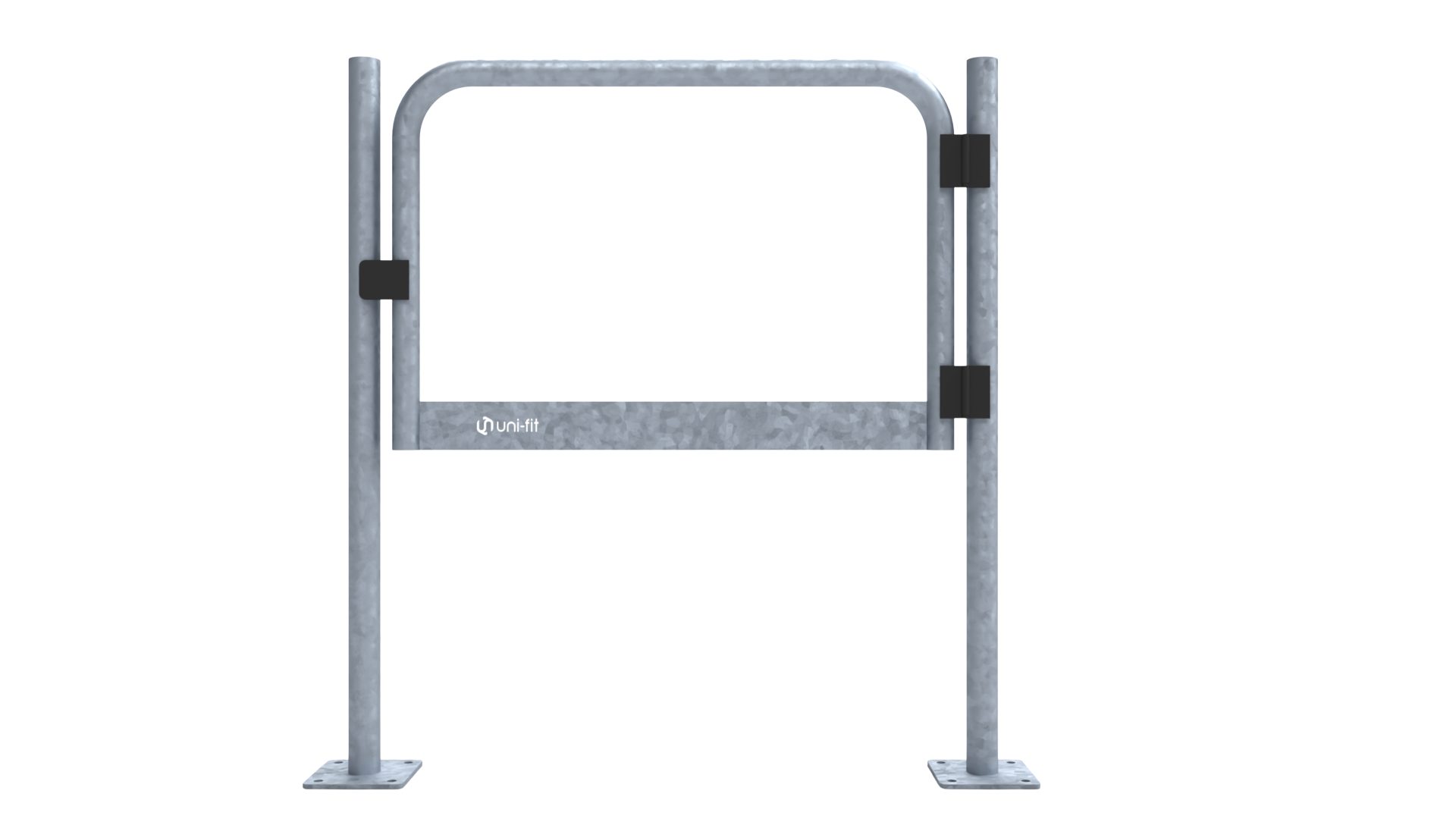
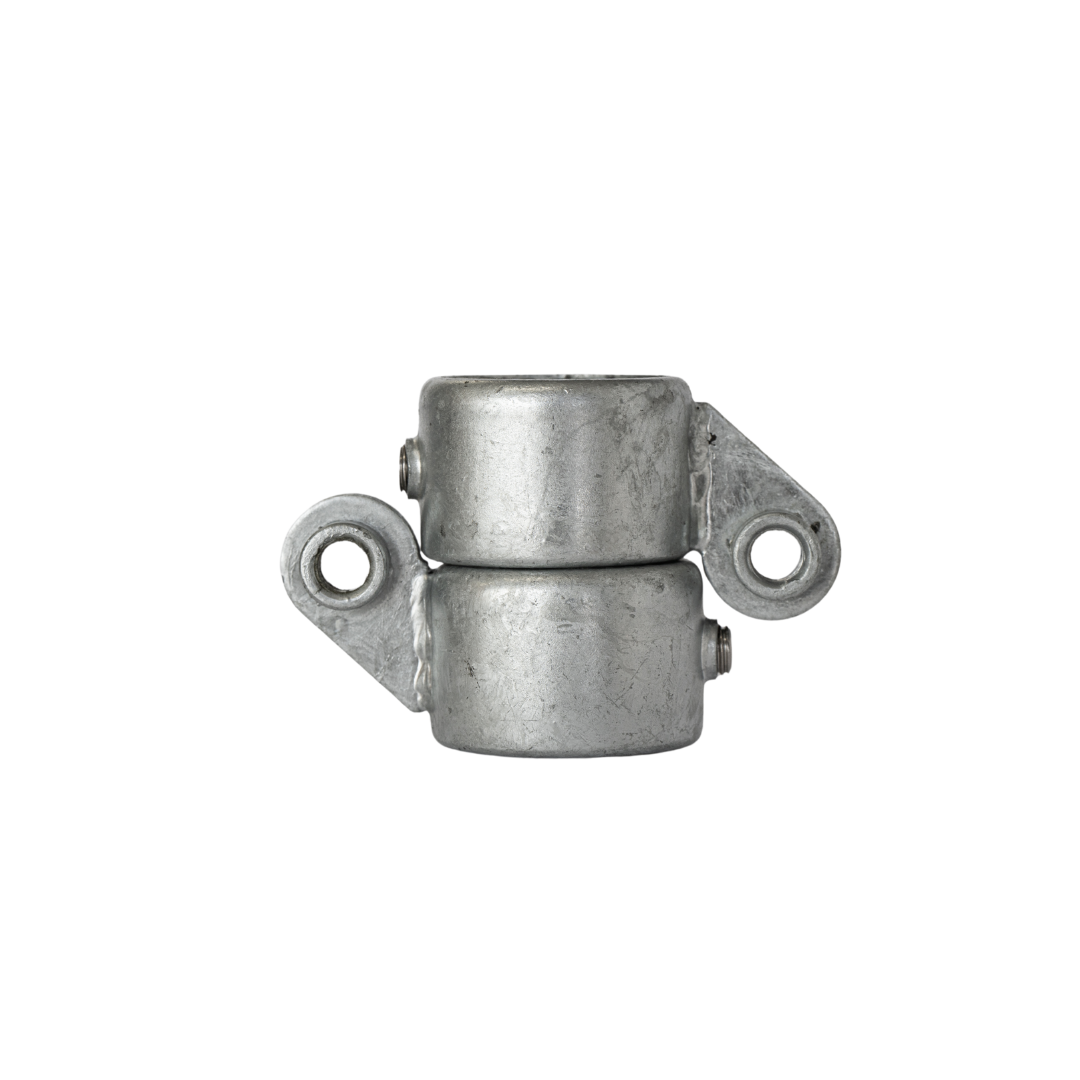
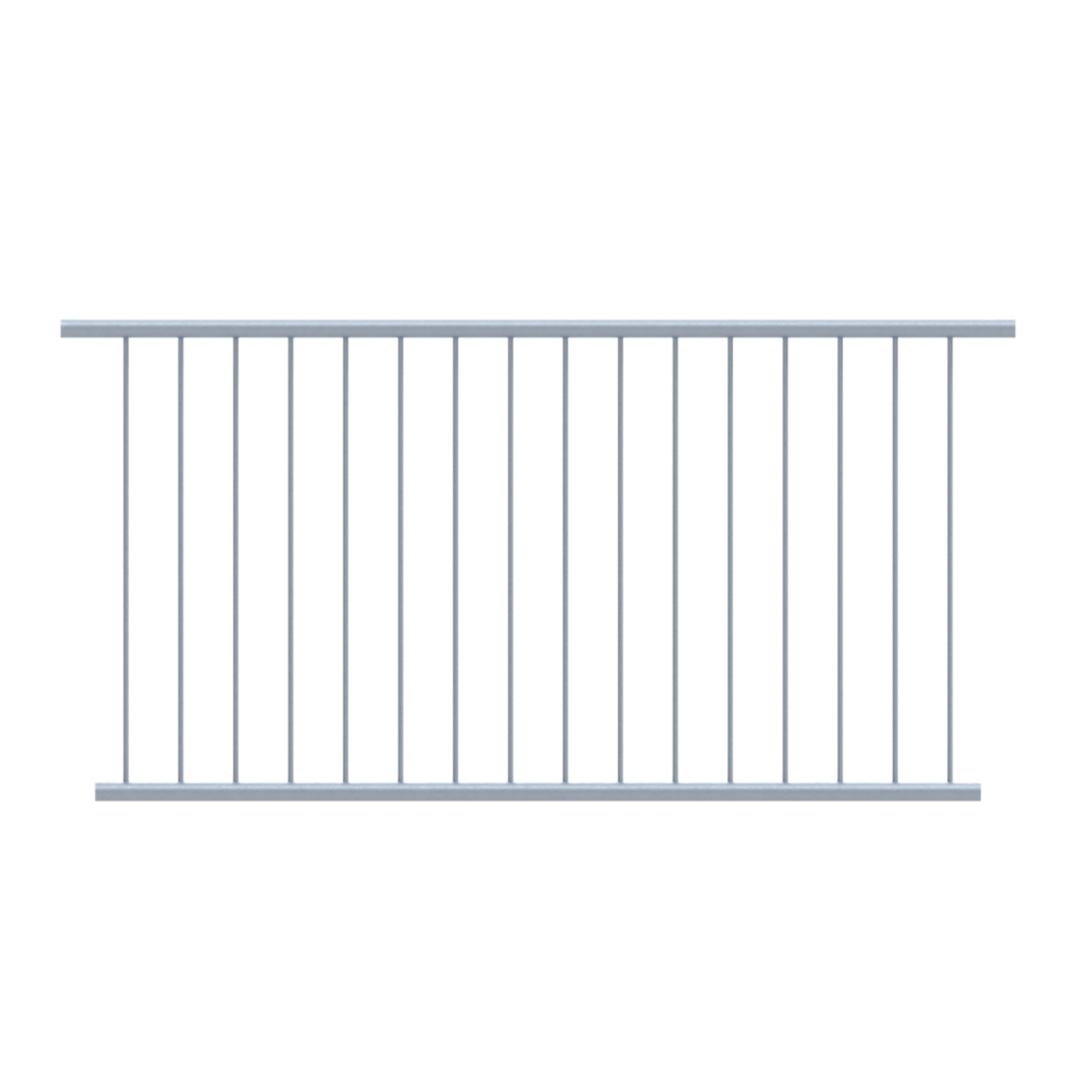
Uni-Fit supplies modular handrail systems that use these standard sizes, so you can order pipes and fittings knowing everything will fit together. Our fittings make it easy to build a strong, safe handrail without welding on site.
Need help with your next project? Get in touch with Uni-Fit to find the right pipe and fittings for your job.