
Handrail projects have a reputation for blowing out. What starts as a straightforward scope ends up attracting variation after variation, and before long the budget is gone, and the client is asking questions.
The good news is that most of these blowouts are not random. They follow predictable patterns, and once you know what to look for, they become avoidable.
Here are five of the most common reasons handrail projects run over budget, and how switching to modular fittings addresses each one.
1. Custom Fabrication Costs More Than You Think
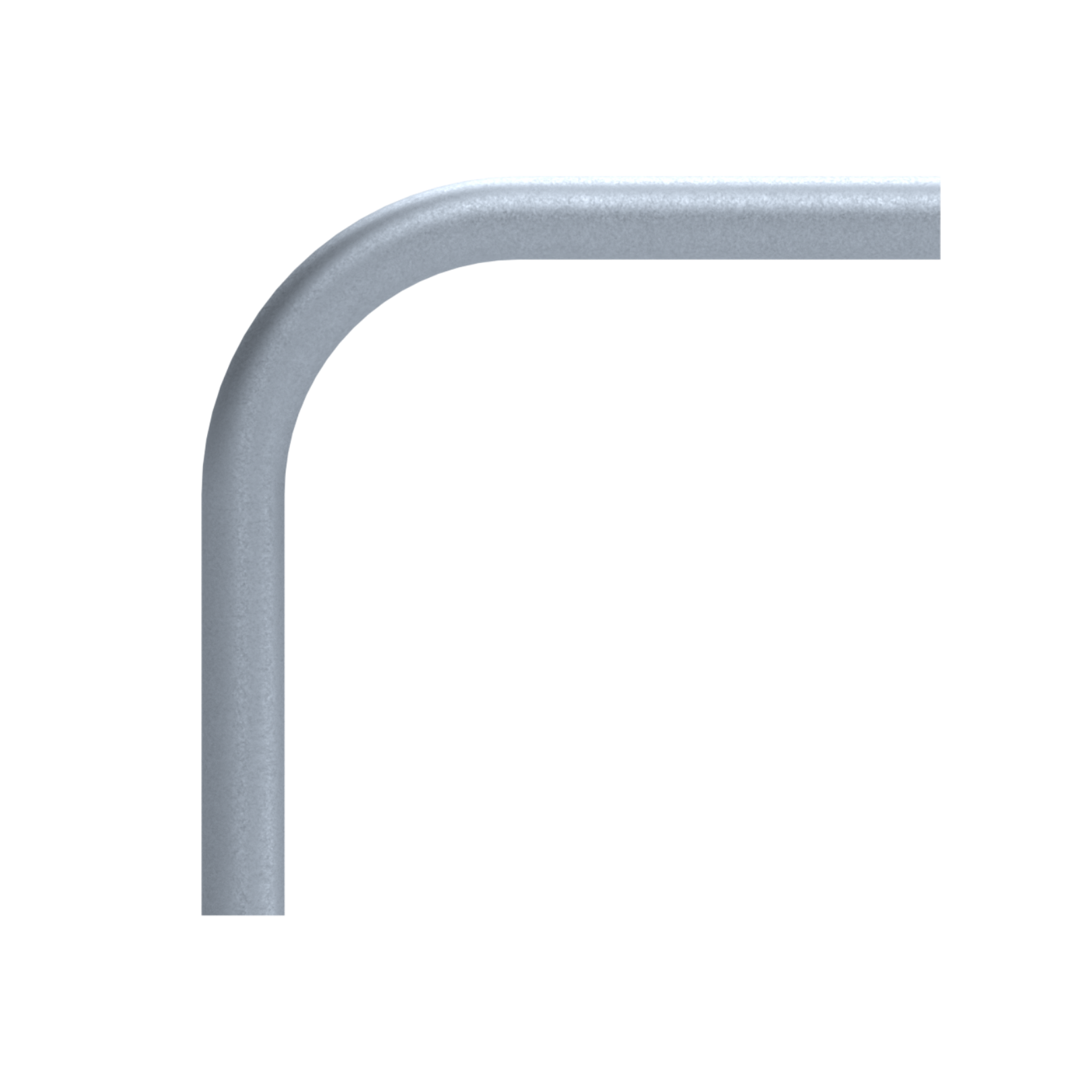
Traditional handrail installation relies heavily on custom fabrication. Every awkward angle, non-standard tread depth, or site-specific detail gets handed off to a fabricator, and fabrication time adds up quickly.
The quote might look reasonable at the start, but changes to the building design, unexpected structural conditions, or a simple measurement error can send you back to the fabricator. Each return visit comes with a cost.
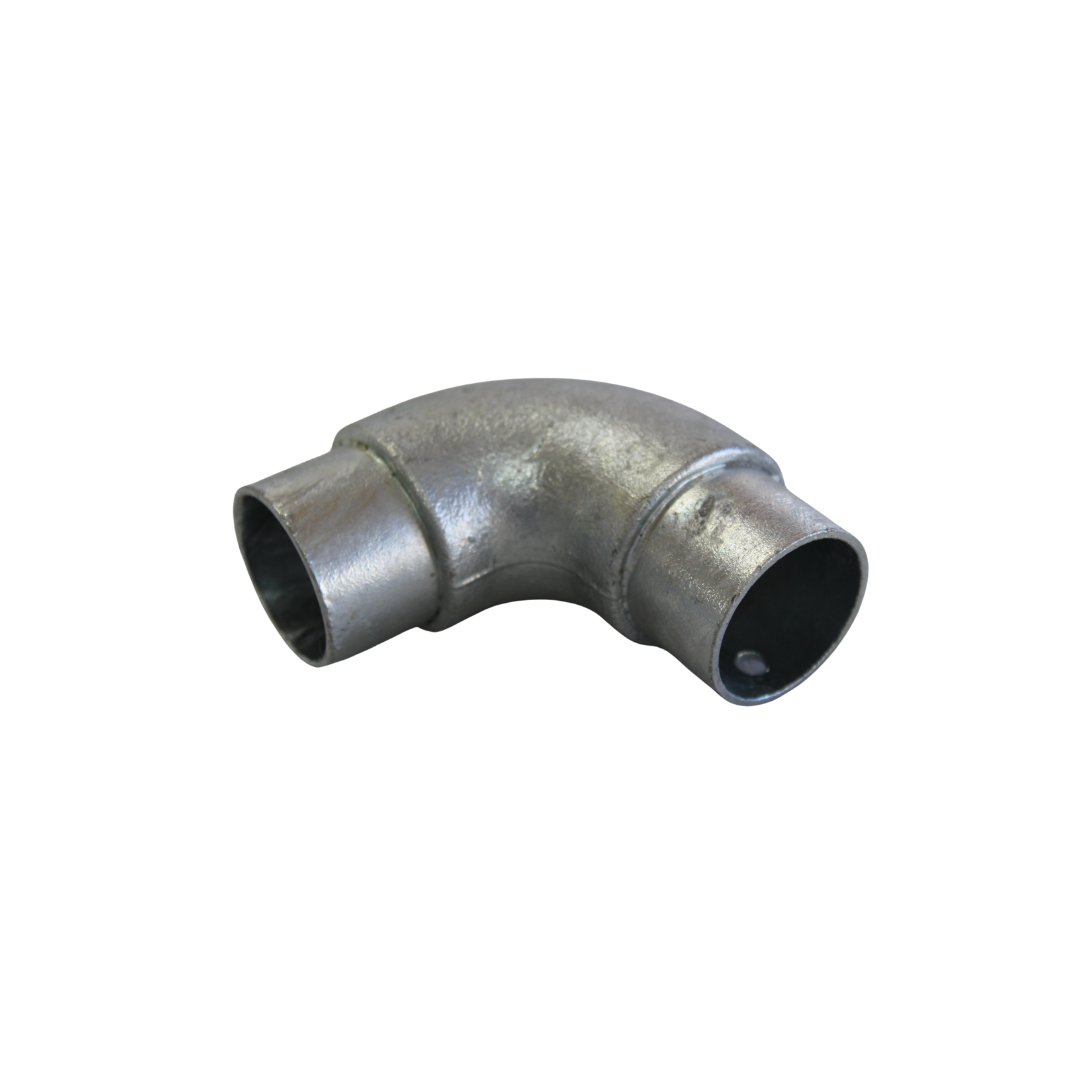
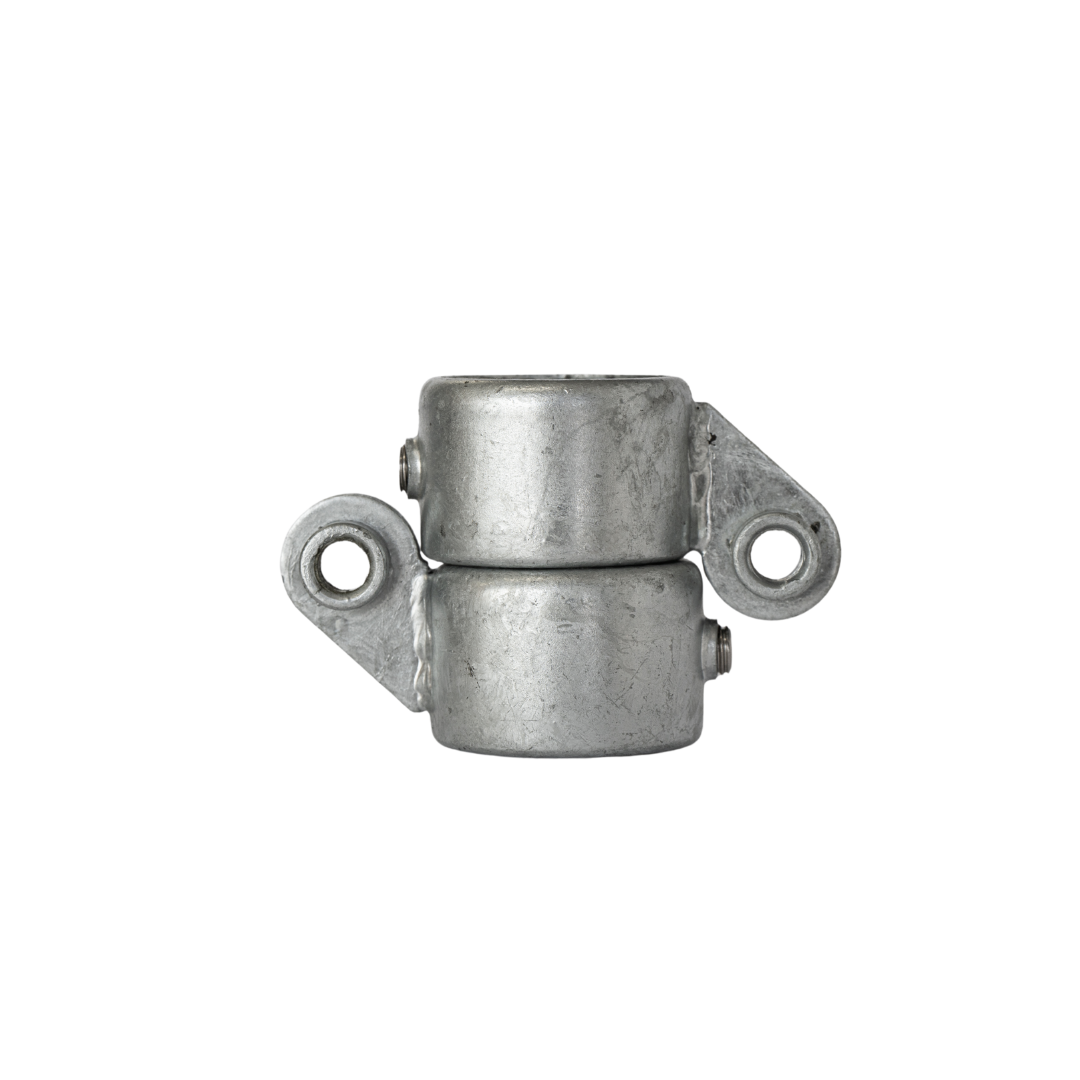
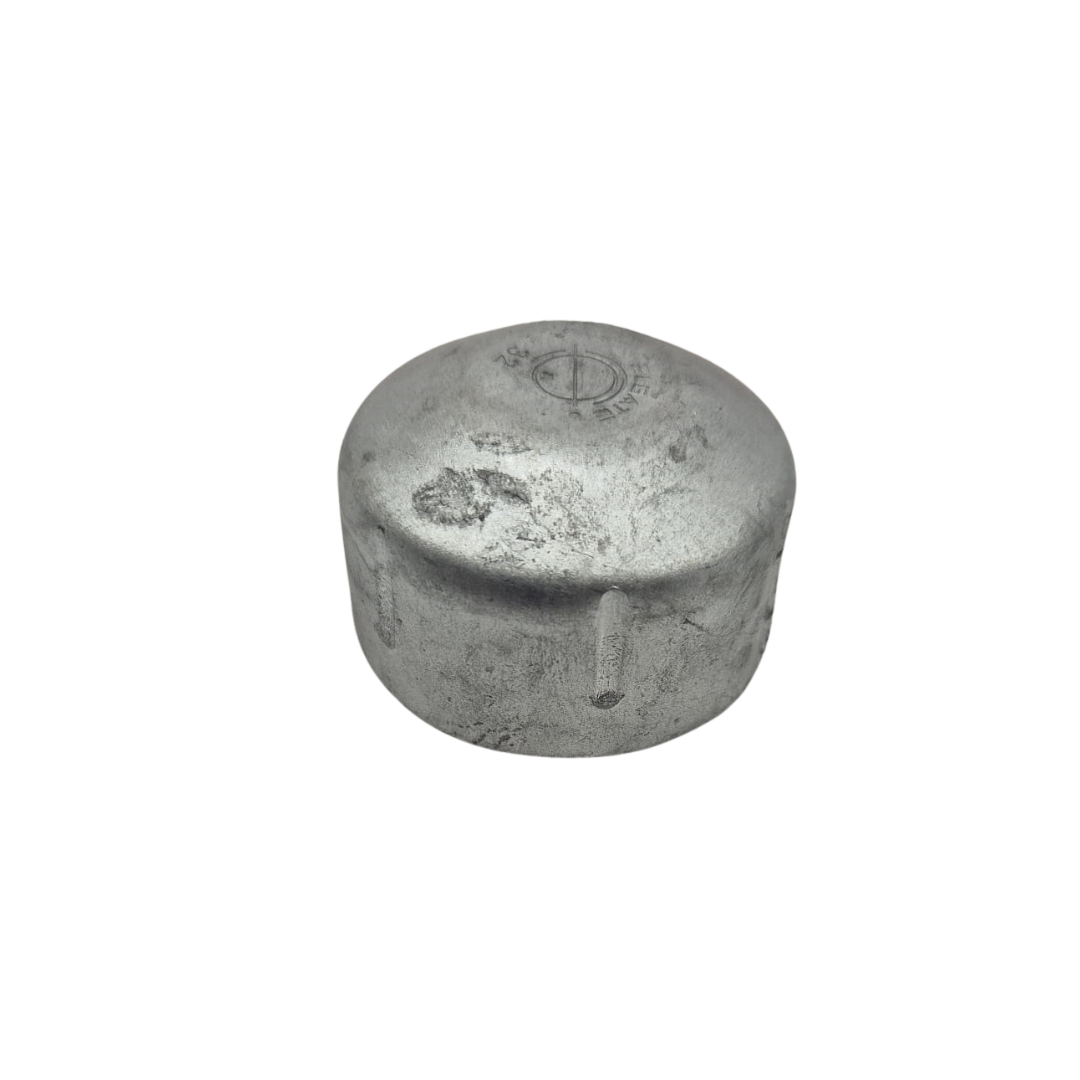
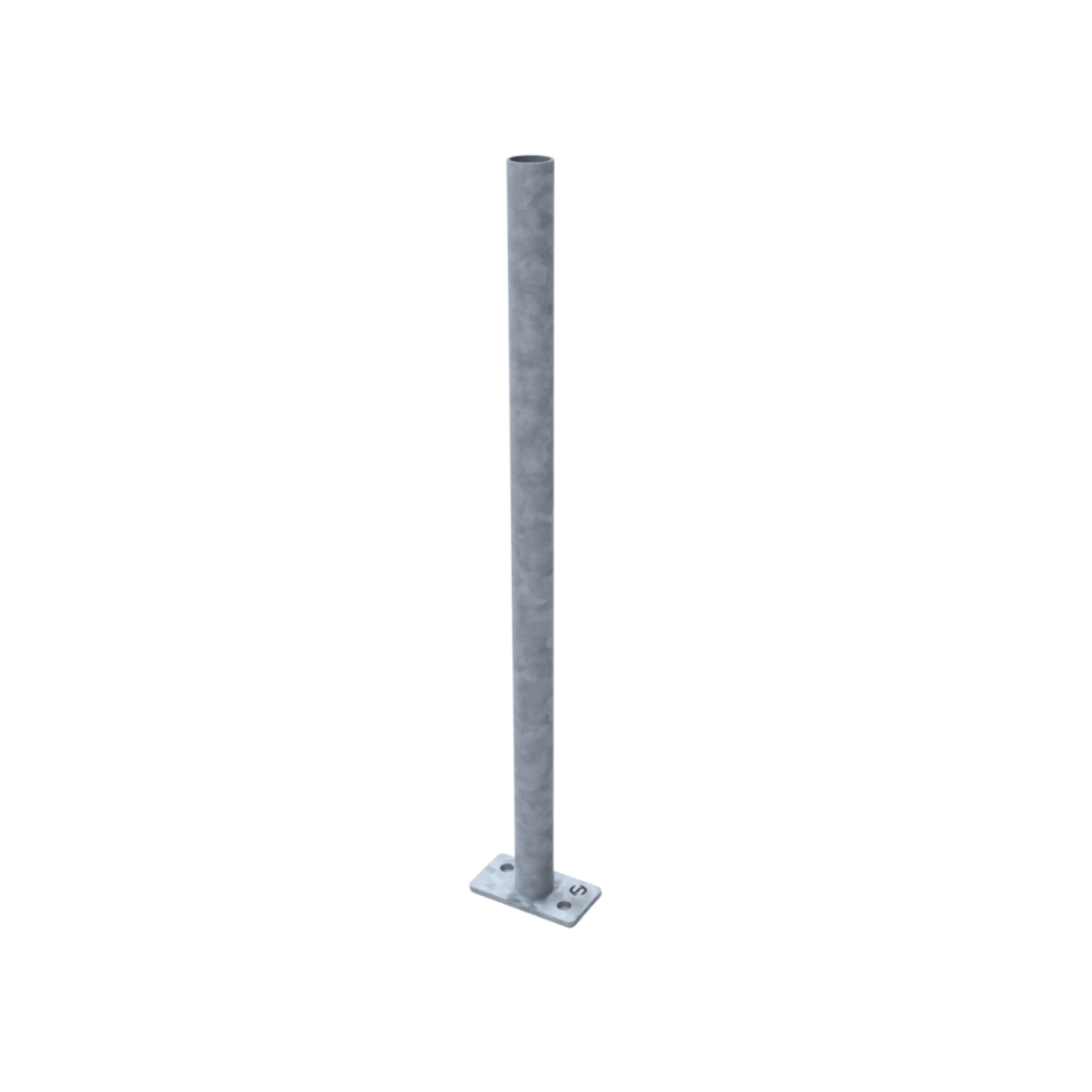
Modular fittings are designed to handle variation without custom work. Components adjust to accommodate different angles and configurations on site, so when conditions do not match the plan, the installer adapts rather than re-orders.
2. Labour Time Blows Out on Complex Installs
Labour is the largest variable cost on most handrail jobs. When installers spend hours problem-solving on site because components do not fit as expected, those hours come at a premium rate.
Complex welding, grinding, and finishing work all take time. Add in the need to wait for fabricated parts or deal with components that arrive incorrect, and a one-day install can easily stretch into three.
Modular systems are built around fast, efficient installation. Components are pre-engineered to connect cleanly, which means less time per fix and a more predictable install schedule. That predictability protects your labour budget.
3. Compliance Issues Surface Late
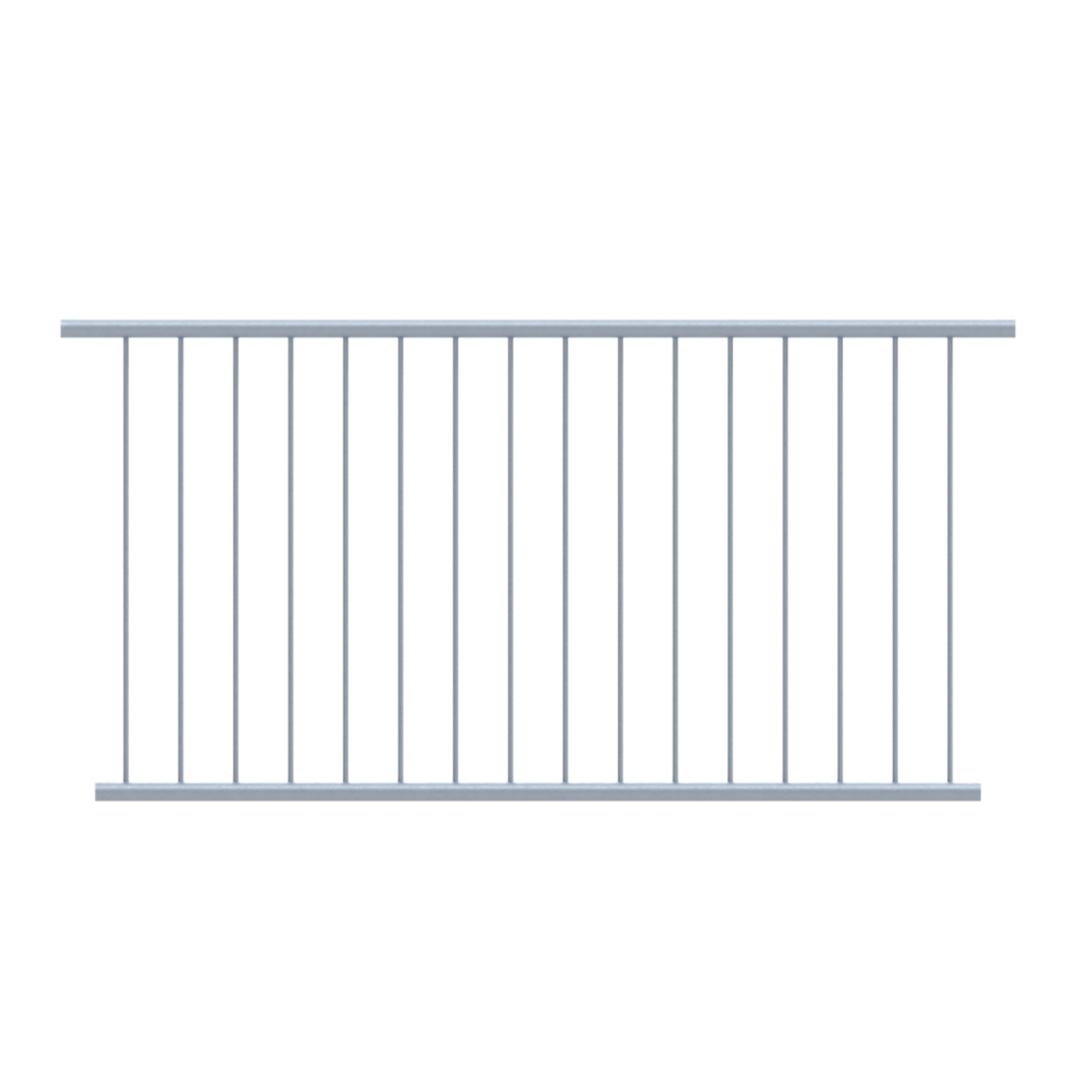
Australian standards for handrails and balustrades are specific. Height requirements, infill spacing, load-bearing capacity and material suitability all need to be right. When a compliance issue surfaces during inspection, rectification work is rarely cheap.
Bespoke solutions sometimes fall into grey areas. A fabricator builds to a brief, but if that brief did not fully account for the relevant standard, someone has to fix it after the fact.
Quality modular fittings are engineered and tested to meet AS 1657 and NCC requirements out of the box. Using a system with a clear compliance record reduces the risk of late-stage surprises.
4. Material Waste Adds Hidden Cost
Cut-to-order fabrication generates offcuts. Order too much and you are paying for material that ends up in the bin. Order too little and you are back to the supplier mid-job, paying freight and losing time.
Modular systems reduce this problem significantly. Standard components mean you can order accurately, and unused fittings can often be held over for the next job. Stock becomes an asset rather than a liability.
5. Scope Creep Without a Clear System
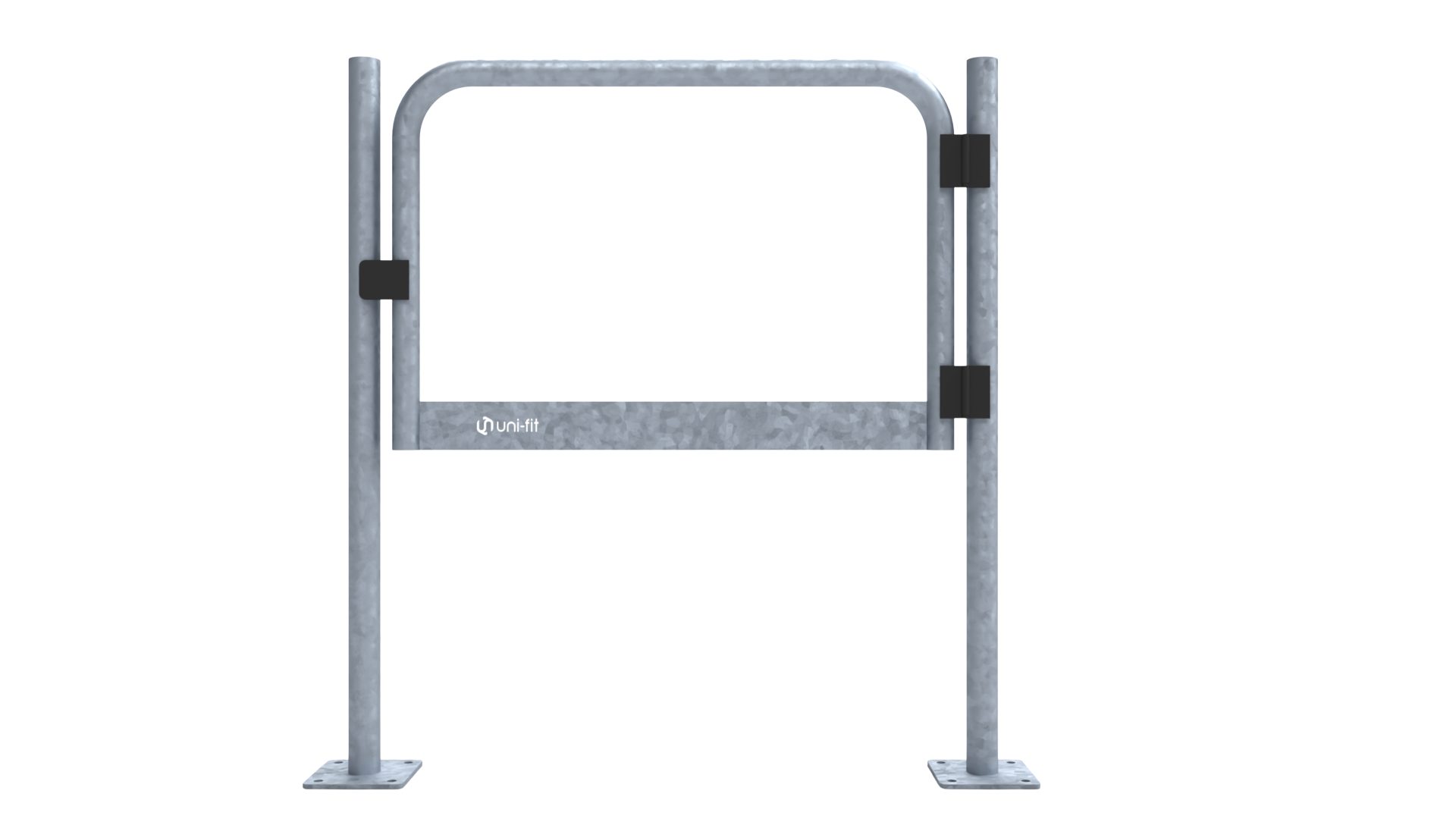
When every job is a custom exercise, it is easy for scope to drift. A client asks for a small extension, the design changes slightly, or an additional balustrade panel gets added. Each change with a custom approach means a new fabrication run.
Modular systems make it easier to quote scope changes accurately and quickly. Because the components are standardised, additions are straightforward to price and supply. There is less ambiguity, and clients understand what they are paying for.
Why Modular Handrail Fittings Bring Costs Under Control
Most handrail budget blowouts come down to unpredictability. Unpredictable fabrication timelines, unpredictable labour hours, unpredictable compliance outcomes. Modular fittings do not eliminate every variable, but they bring discipline to the ones that matter most.
If your handrail projects are consistently running over, it is worth looking at where the variation is coming from. More often than not, the answer points back to the system you are using, not the site conditions.
Talk to the Uni-Fit Team
Uni-Fit supplies modular handrail fittings to builders, contractors, and installers across Australia. Our components are engineered for fast, compliant installation with minimal waste.
Get in touch with the team to discuss your next project and find out which system suits your requirements.