
Not all galvanised handrails are the same, and the difference starts to show usually around five years after they are installed. The difference is due to the standard of the coating used. Hot dip galvanised after fabrication, to AS/NZS 4680, gives you a thick zinc coating on every surface including the inside of the tube. Pre-galvanised and in-line galvanised tube, made to AS/NZS 4792, gives you a thinner coating that might not cover the inside at all. Both get called galvanised on a product page.
Two Processes, Two Very Different Lifespans
Batch hot dip galvanising to AS/NZS 4680 means the steel is fabricated first, then dipped in molten zinc. The Galvanizers Association of Australia puts it plainly: the article leaves the galvanising plant ready to use, with every part of it protected from corrosion.
In-line and pre-galvanised tube to AS/NZS 4792 is coated as part of the tube making process, before anything is cut or drilled. It’s cheaper and it has its place. The GAA notes these products aren’t normally used in environments beyond C3 without a paint topcoat, because the durability isn’t there. The same standard permits a different coating thickness on the inside of a tube, or no coating inside at all.
For continuously coated sheet products the gap is measurable. Coating can run as low as 20 microns, and durability lands at somewhere between a quarter and less than half that of a batch galvanised item of the same steel thickness.
If a supplier just says galvanised, ask what standard.
Coating thickness is what you’re buying
Zinc protects steel by corroding in its place. Thicker zinc means longer protection, and that’s most of the story.
AS/NZS 4680 sets a minimum average coating thickness based on how thick the steel is. Steel over 6mm needs at least 85 microns. Thinner steel gets less, because the process delivers less.
Put that in years and it gets clearer. An 85 micron coating in a C4 environment gives you roughly 20 years before first maintenance. A 20 micron in-line coating on the same site is a different conversation entirely.
Coating is sometimes quoted as mass rather than thickness. HDG600 means a nominal 600 grams per square metre on a single measured surface. Either way, ask for the number rather than the word.
Match the Coating to the Site
AS 4312 classifies Australian sites by how corrosive the local atmosphere is, running from C1 at the mild end through to C5. A handrail in a dry indoor warehouse and a handrail a few hundred metres from the surf are not the same job, and specifying them the same way is expensive.
Coastal is the obvious one. Heavy industry, wastewater treatment plants and pool surrounds are the ones people forget.
Work out the category for the site first, then choose the coating. Doing it the other way round is how a handrail ends up being replaced in year six. Our guide to handrails for parks, pathways and public infrastructure goes further into outdoor and coastal specification.
Check the Fasteners Separately
This one catches people out. Galvanised fasteners sit under their own standard, AS/NZS 1214, not under AS/NZS 4680.
There’s a detail worth knowing here. Galvanised nuts are dipped as blanks and threaded after coating, which leaves the nut thread uncoated. That’s intentional, and the thread is protected by the zinc on the bolt. What isn’t fine is a galvanised handrail assembled with plain steel or electroplated fixings, because the fasteners will give out long before the rail does.
If you’re buying a system rather than loose components, ask what the fasteners are coated to.
Cut Ends, Drilled Holes and Site Changes
Any cut, weld or hole made after galvanising exposes bare steel.
AS/NZS 4680 allows for repair, within limits. Damaged and uncoated areas cannot add up to more than 0.5 per cent of the total surface area, or 250 square centimetres, whichever is the smaller. Repair coatings need to go on thicker than the surrounding zinc, by at least 30 microns.
Six Questions to Ask Before You Order
● Which standard is the coating made to, AS/NZS 4680 or AS/NZS 4792?
● What is the minimum average coating thickness in microns?
● What corrosivity category is the site under AS 4312?
● Are the inside surfaces of hollow sections coated?
● What are the fasteners coated to?
● Will anything need cutting or welding on site?
Most suppliers can answer all six in a minute. The ones who can’t have told you something useful anyway.
Where Modular Fittings Change the Maths
Welded handrail gets fabricated, then galvanised, then delivered. Any change on site means cutting into a finished coating and patching it afterwards.
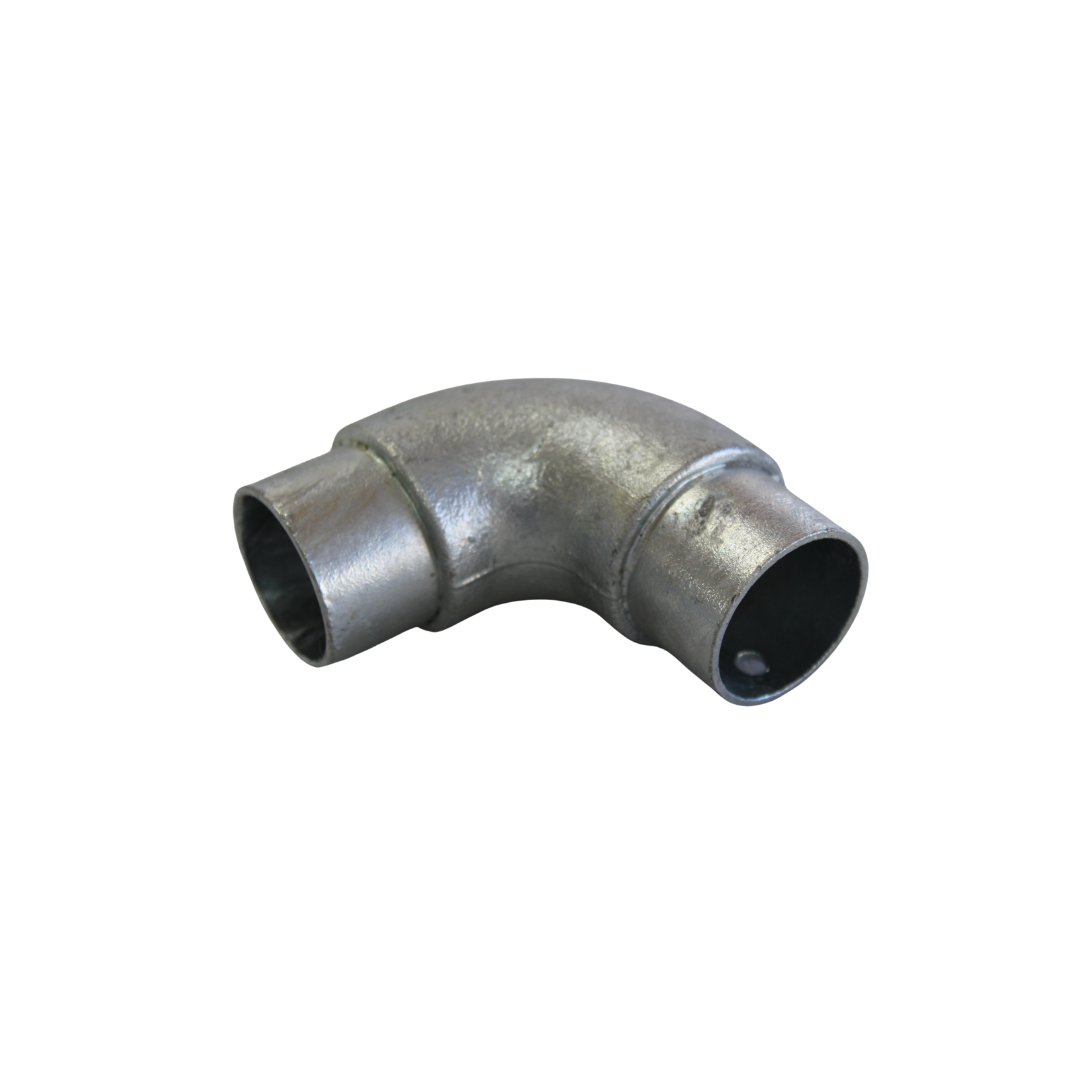
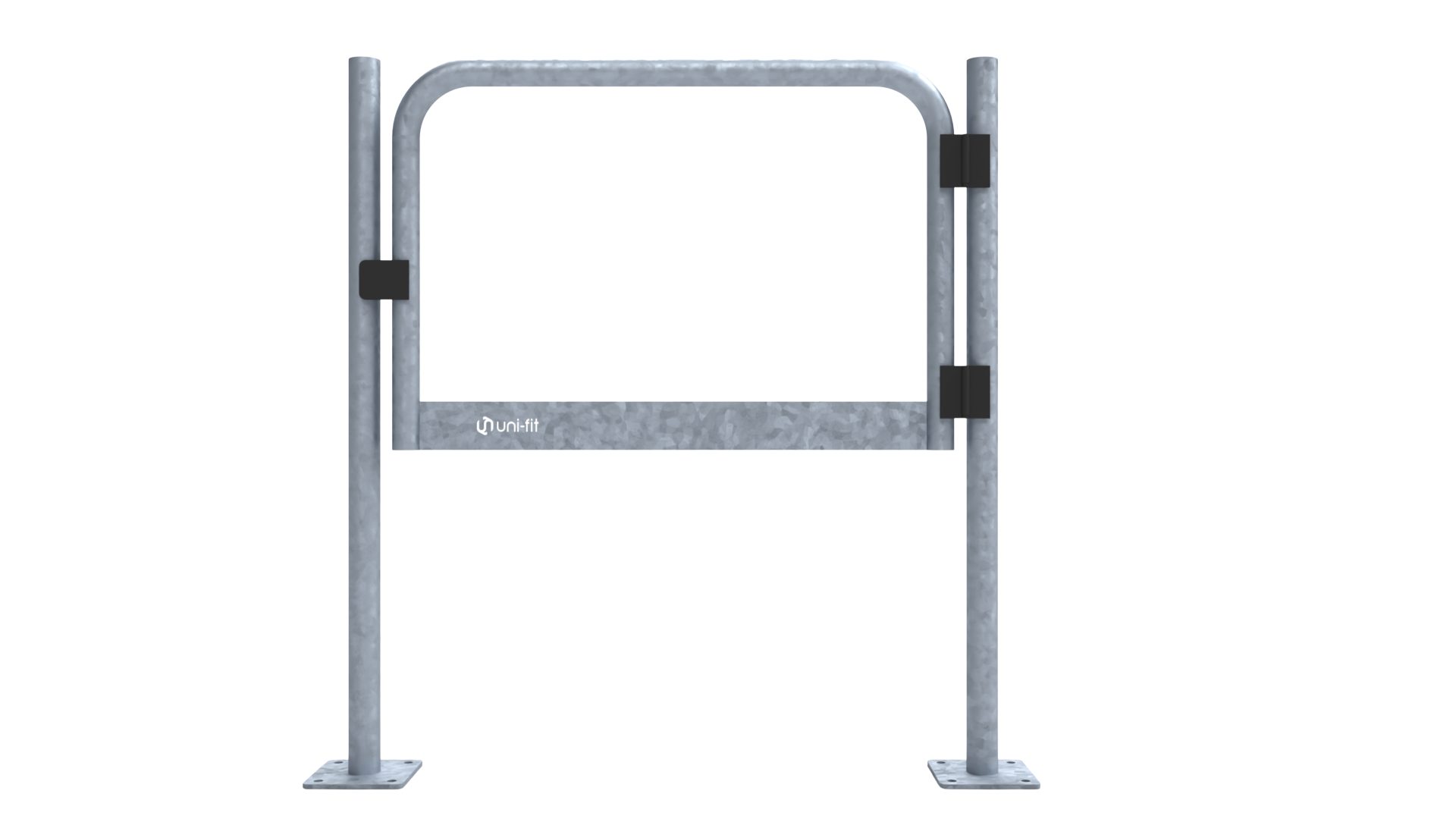
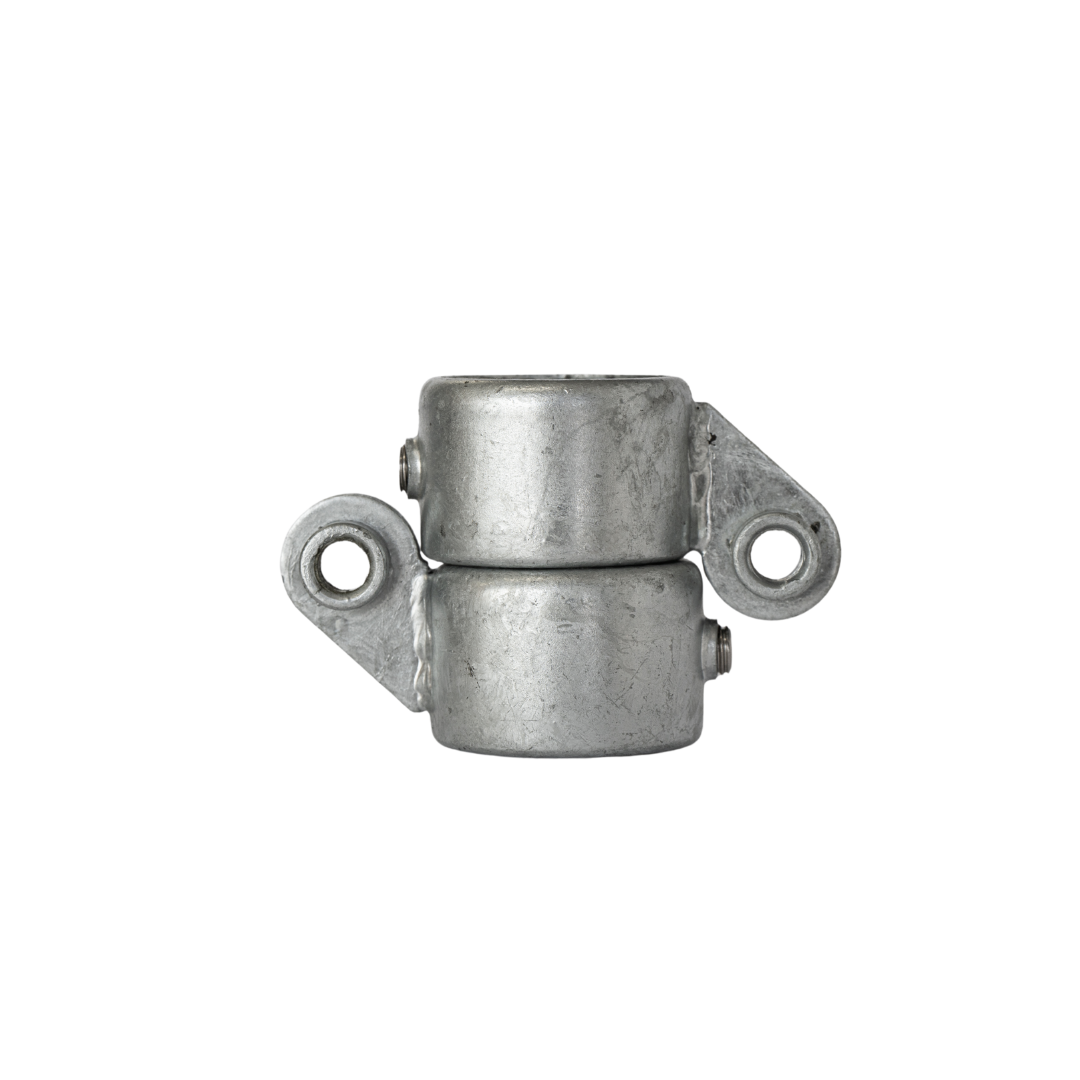
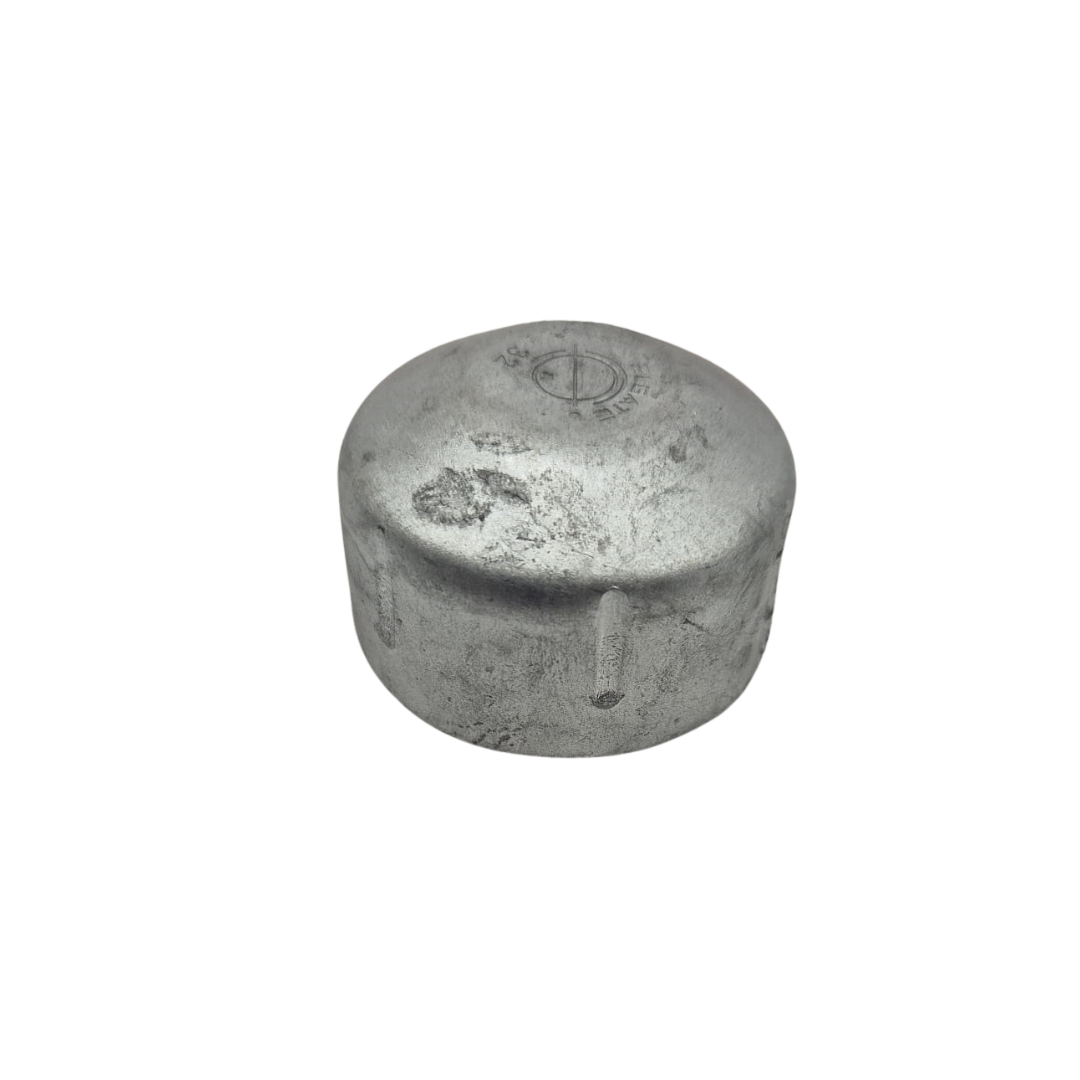
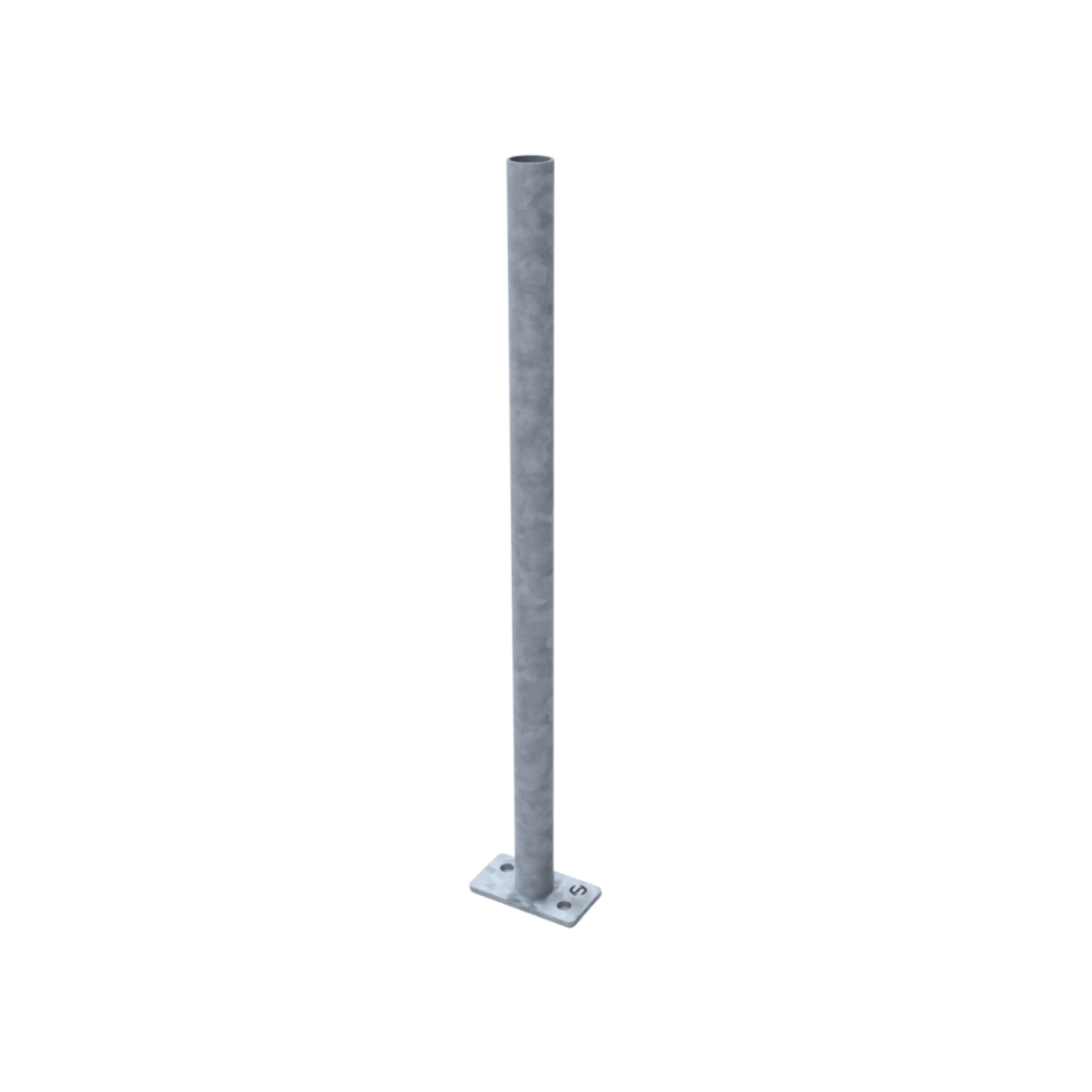
Modular fittings are galvanised as components and bolted together on site, so nothing gets cut or welded into the coating. The Uni-Fit range connects 25mm, 32mm, 40mm, 50mm and 80mm nominal bore posts using nine items, and the fittings rake up to 80 degrees to follow a stair or a ramp without a single site weld.
That won’t be the right answer for every job. But if the site is coastal, awkward to access, or likely to change during construction, keeping the coating intact is worth more than it costs.