
Public spaces sit at an awkward intersection of safety standards. A maintenance walkway at a water treatment plant looks nothing like a boardwalk through a coastal reserve, but both are public assets, both have handrails, and both carry compliance obligations. Getting the standard wrong means the installation may fail inspection, or worse, fail a person using it.
This post sets out which standards apply to outdoor and public handrail installations, what each one requires, and how to work out which applies to your project.
Two Standards, One Site: AS 1428 And AS 1657
Most public infrastructure handrail projects will involve one of two Australian Standards, and some will involve both:
AS 1428 (Design for Access and Mobility) applies to publicly accessible areas where members of the general public, including people with disabilities, are expected to use the space. Parks, foreshore pathways, public stairways, accessible picnic areas, lookouts, and community facilities all fall here.
AS 1657 (Fixed Platforms, Walkways, Stairways and Ladders) applies to industrial and commercial work environments, including work areas within public assets. Maintenance walkways at council depots, water treatment plants, pump stations, and utility infrastructure are governed by AS 1657, not AS 1428, because the people using them are workers rather than the general public.
The dividing line is who uses the space. Public access = AS 1428. Worker access within a public asset = AS 1657. Where both groups use the same infrastructure, both standards may apply, and where they conflict, the more stringent requirement governs.
The National Construction Code sits above both and references them depending on building class and use. The Disability Discrimination Act 1992 (DDA) applies as a federal requirement to all publicly accessible areas regardless of permit status. Complying with AS 1428 is widely accepted as satisfying DDA obligations for built infrastructure.
Height Requirements: What Each Standard Requires
This is what inspectors check first, and the two standards specify it differently.
AS 1428 (public pedestrian access)
- Top rail: 865mm to 1000mm above the floor surface or stair nosing line.
- Graspable diameter: 32mm to 50mm circular cross-section, or a non-circular profile that can be firmly grasped.
- Minimum 50mm clearance from any adjacent wall to allow a full hand grip.
- Handrails must be continuous along the full length of a stairway or ramp, with a horizontal extension at the top and bottom of each flight.
- On accessible ramps steeper than 1:20, handrails are required on both sides.
AS 1657 (worker access on public assets)
- Top rail: 900mm to 1100mm above the floor surface or stair nosing.
- Mid rail (knee rail): minimum 560mm from the floor.
- Toe board: at least 100mm high at all platform edges where materials or equipment could fall.
- Graspable diameter: 30mm to 65mm circular cross-section.
- Post spacing must be within limits confirmed by the system’s engineering documentation.
The height ranges overlap significantly, which is why a single installation can often satisfy both. But AS 1657 requires a mid-rail and toe board that AS 1428 doesn’t mandate, and the two standards have slightly different grip diameter ranges. Where both apply, design to the more restrictive of each requirement.
When Are Handrails Required Outdoors?
Under AS 1428
Handrails are required on ramps and stairways in publicly accessible areas. Any path with a gradient steeper than 1:20 is classified as a ramp and requires handrails under the NCC. Below that gradient, a level path generally doesn’t require a handrail unless there’s a significant adjacent drop.
Where paths run along elevated boardwalks, cliff edges, retaining walls, or other locations with a meaningful adjacent drop, edge protection is generally required. The consistent reference point across most Australian states is a drop of more than 1 metre from an accessible pathway.
Under AS 1657
Handrails are required on any exposed edge where the drop exceeds 300mm. That’s a much lower threshold than public pedestrian standards. On a maintenance walkway at a pumping station or a council depot mezzanine, handrails are required once the drop clears 300mm.
For outdoor public assets with worker access, this means maintenance platforms, valve access walkways, and similar structures trigger AS 1657 handrail requirements at 300mm, even if the adjacent public pathway doesn’t require edge protection at that height.
Materials For Outdoor Public Installations
Neither standard prescribes a specific material, but both require structural performance and, in the case of AS 1428, a smooth surface that contrasts visually with its surroundings.
Hot-dip galvanised steel is the standard specification for Australian public infrastructure, and for good reason. The zinc coating bonds to the steel and resists sustained outdoor exposure, including the coastal conditions that cause painted and powder-coated systems to blister and fail within a few years. Galvanised Uni-Fit fittings tighten to 55NM and stay tight under the thermal expansion and contraction that outdoor temperature cycling causes, which is exactly where lighter systems tend to work loose over time.
For visual contrast under AS 1428.2, a powder coat finish in a colour that reads clearly against the surrounding path surface works well. Yellow is common on utility and industrial assets. Black or a darker contrasting colour is more common in parks and foreshore settings where a safety yellow would look out of place.
For particularly aggressive coastal environments, the parks application page on the Uni-Fit site notes that galvanised steel is the standard specification for coastal public infrastructure and that the system delivers the corrosion resistance those environments require without ongoing remediation costs. The product range is galvanised throughout, and a sealed finish prevents water ingress into hollow sections where internal corrosion can develop unseen.
Specific Outdoor Settings and What They Need
Lookout platforms and cliff-top viewing areas
These are among the highest-risk locations in any park. The combination of significant drop heights, high visitor numbers, and full weather exposure means edge protection needs to be structurally sound, documented as compliant, and maintained. AS 1657 governs if the structure is worker-accessed; AS 1428 applies if it’s open to the public.
Uni-Fit has installed at Blue Mountains National Park, one of Australia’s most visited national landmarks. The key requirement for that project was a compliant handrail that could be installed on difficult terrain without welding or heavy equipment. The modular system was installed with a single Allen key.
Bush tracks, stepped pathways, and park stairways
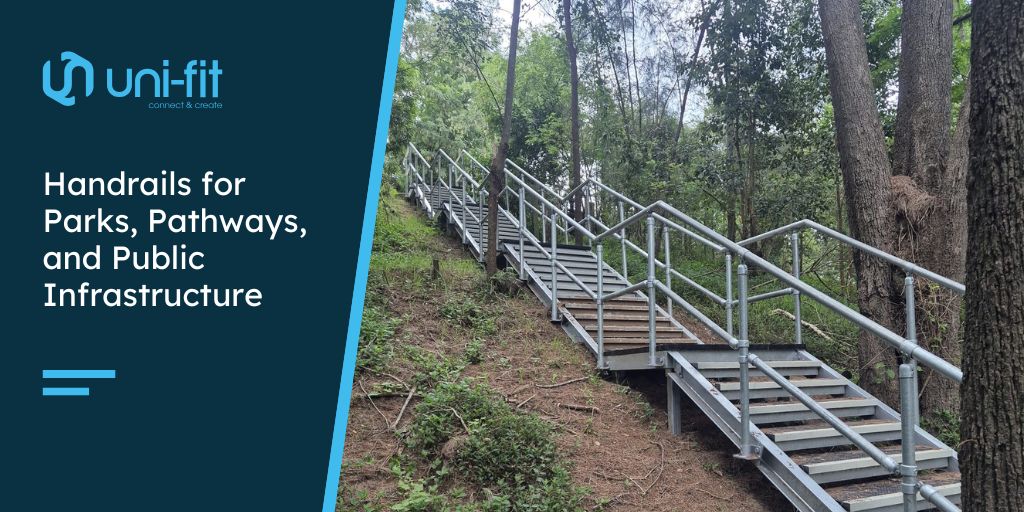
Stepped sections of bush tracks, trail stairways cut into embankments, and handrailed path sections on steep terrain need fittings that accommodate irregular raking angles and hold up between maintenance visits. Uni-Fit fittings rake up to 80 degrees on site, which covers the varied angles of natural terrain without custom fabrication.
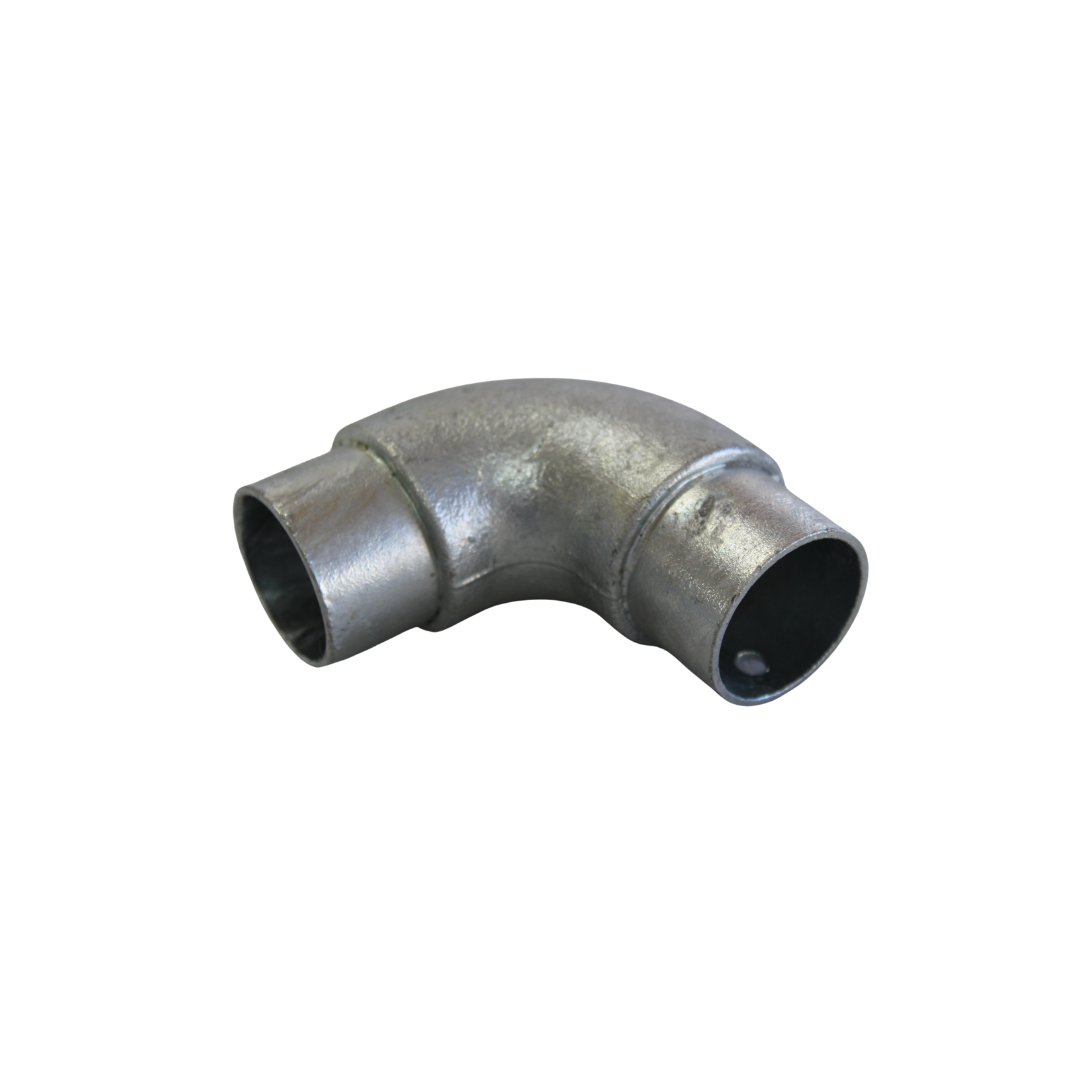
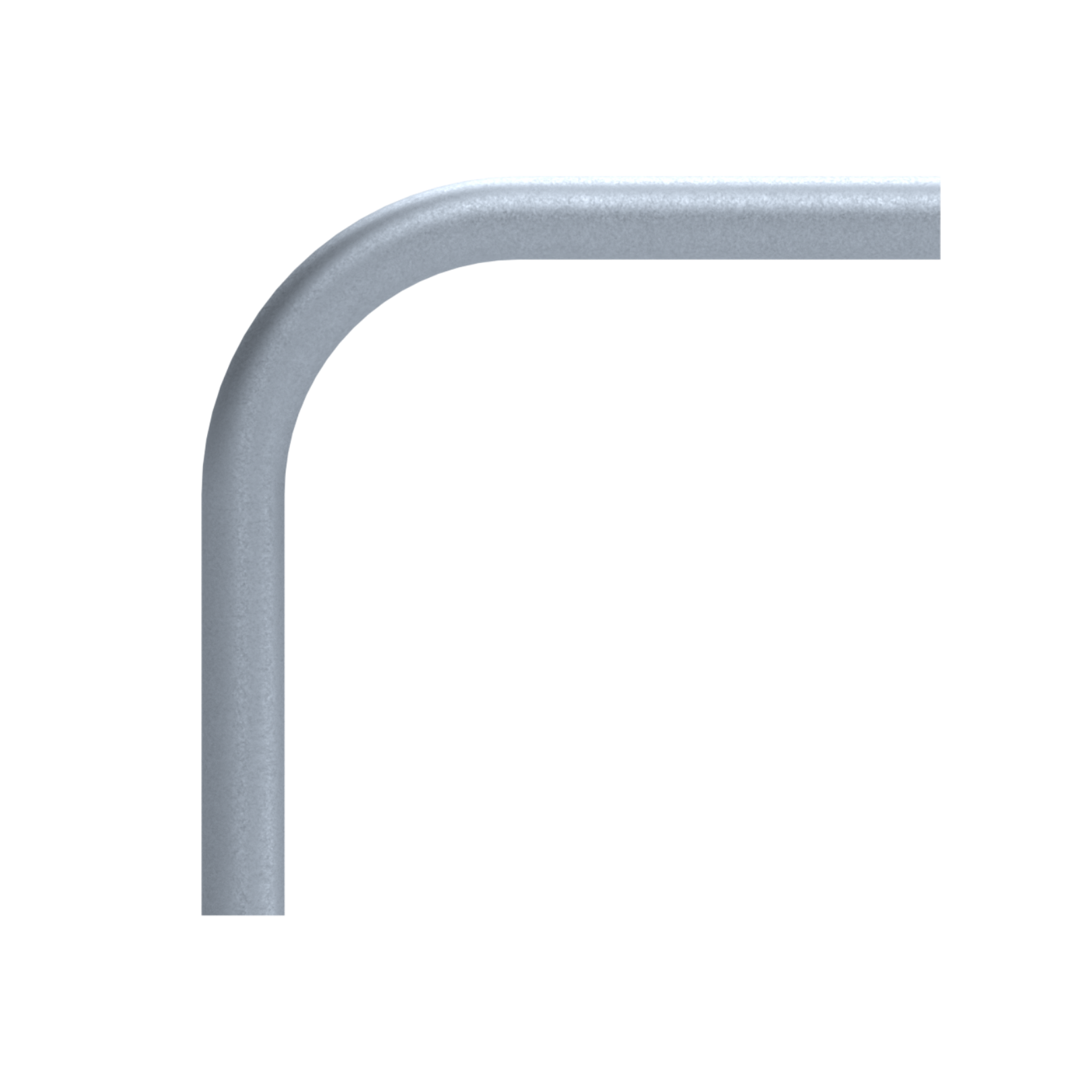
For AS 1428-compliant ramp and stairway handrails in parks, 32NB and 40NB pipe are the appropriate sizes: both sit within the 32mm-50mm graspable diameter range specified by the standard, and the Safety Rail Bend (available in 32NB and 40NB) is specifically designed to create the curved hook ends required at the entry and exit of ramps and stairways under DDA requirements.
Boardwalks and coastal walkways
Coastal boardwalks are governed by AS 1428 for the handrail specification. The harder design question is material durability. Galvanised steel with sealed fittings is the standard choice. The fittings also tolerate the structural movement that timber boardwalks generate as they expand and contract with moisture and temperature, which rigid welded alternatives handle less well.
Public utility and council infrastructure
Water treatment plants, pumping stations, council depots, and stormwater infrastructure operate under AS 1657 for worker access areas. These are among the most demanding environments: chemical exposure, wet conditions, heavy use by maintenance crews, and no shelter from the elements. Galvanised Uni-Fit fittings are built for this. And because the system is modular, a damaged section can be replaced by a maintenance crew with spare fittings on the truck, without calling a fabricator.
Over 230 councils, contractors, and resellers nationally use Uni-Fit across exactly these kinds of applications.
Public stairways in open spaces
Outdoor public stairways with more than two risers generally require handrails under NCC provisions. Under AS 1428, the rail must run the full length of the flight with a horizontal extension at the top and bottom and must be continuous across the full stairway width. Where a public stairway also provides maintenance access to a restricted area, the AS 1657 mid rail and toe board requirements may apply at the platform end even if the stairway itself is public.
Practical Specification Notes
Rake adjustment. Outdoor pathways, ramps, and accessible routes rarely run dead level. Uni-Fit fittings rake up to 60 degrees by repositioning the cup on the ring and tightening grub screws to 55NM, covering most pathway and ramp gradients without bespoke components.
Post spacing and load compliance. AS 1657 references AS/NZS 1170.1 for structural loading; AS 1428 has its own load requirements. Both constrain how far apart posts can be placed. The Uni-Fit system comes with engineering documentation confirming post spacing for each pipe size and load case.
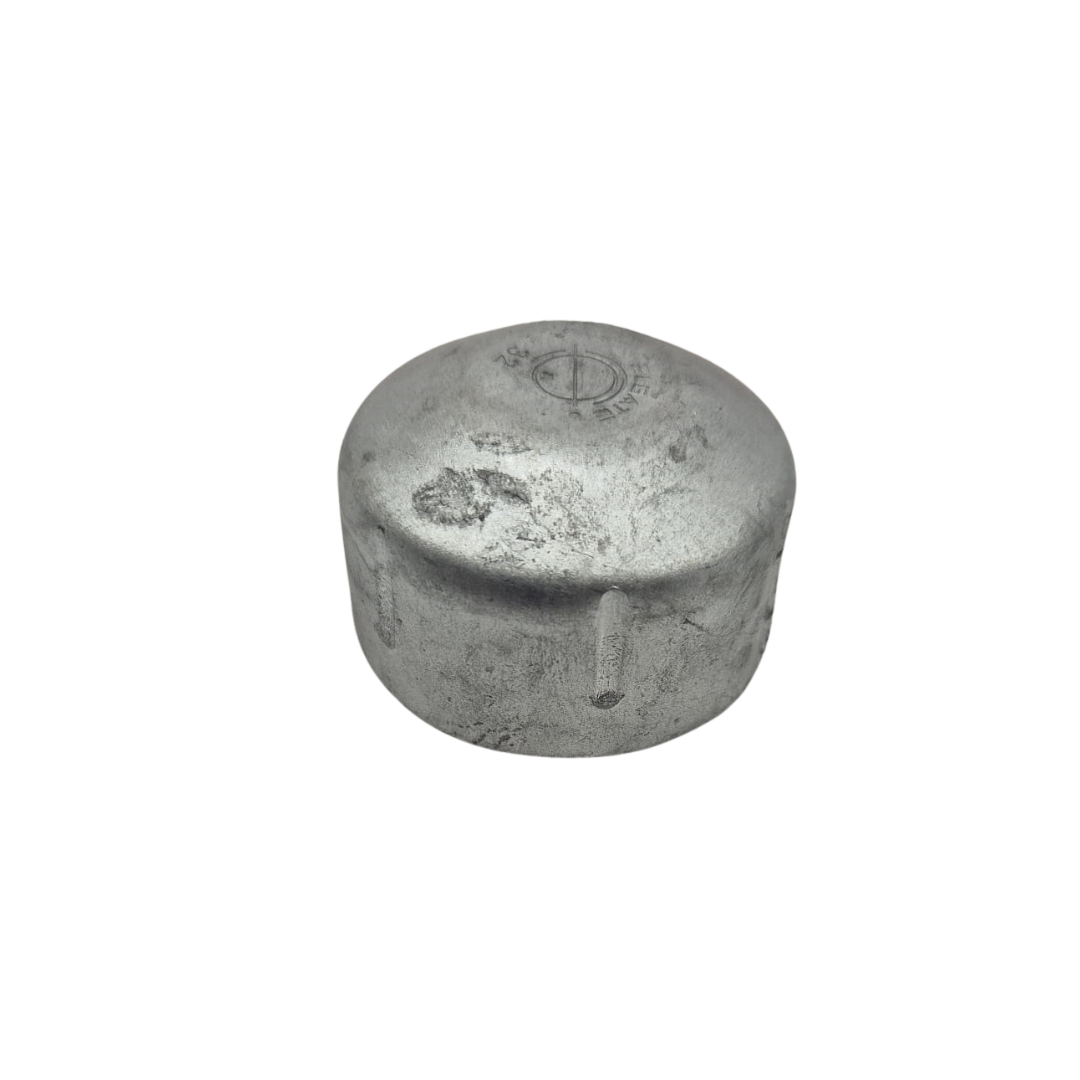
End treatment. On AS 1428 installations, exposed pipe ends must be returned or capped to eliminate sharp edges. Steel caps and black plastic caps are both available in the Uni-Fit range across all pipe sizes.
Visual contrast. AS 1428.2 requires the handrail to contrast visually with its surroundings. A contrasting powder coat on the graspable surface satisfies this requirement. On utility assets, yellow safety powder coat also meets general safety marking conventions.
Maintainability. Public infrastructure gets used hard and is often maintained by council crews rather than specialist contractors. A modular system that allows individual fittings and rail sections to be replaced without welding means faster maintenance turnaround. Crews can carry 32NB and 40NB fittings as stock and handle most repairs on the day.
How Uni-Fit Works Across Outdoor and Public Applications
The Uni-Fit modular system is manufactured in hot-dip galvanised steel and designed for installation without welding on site. Fittings connect 25NB, 32NB, 40NB, 50NB and 80NB pipe. For AS 1428 applications, 32NB and 40NB sit within the required 32mm-50mm graspable diameter range. For AS 1657 applications, the same sizes sit within the 30mm-65mm range, and the system’s mid rail connection components handle the knee rail requirement.
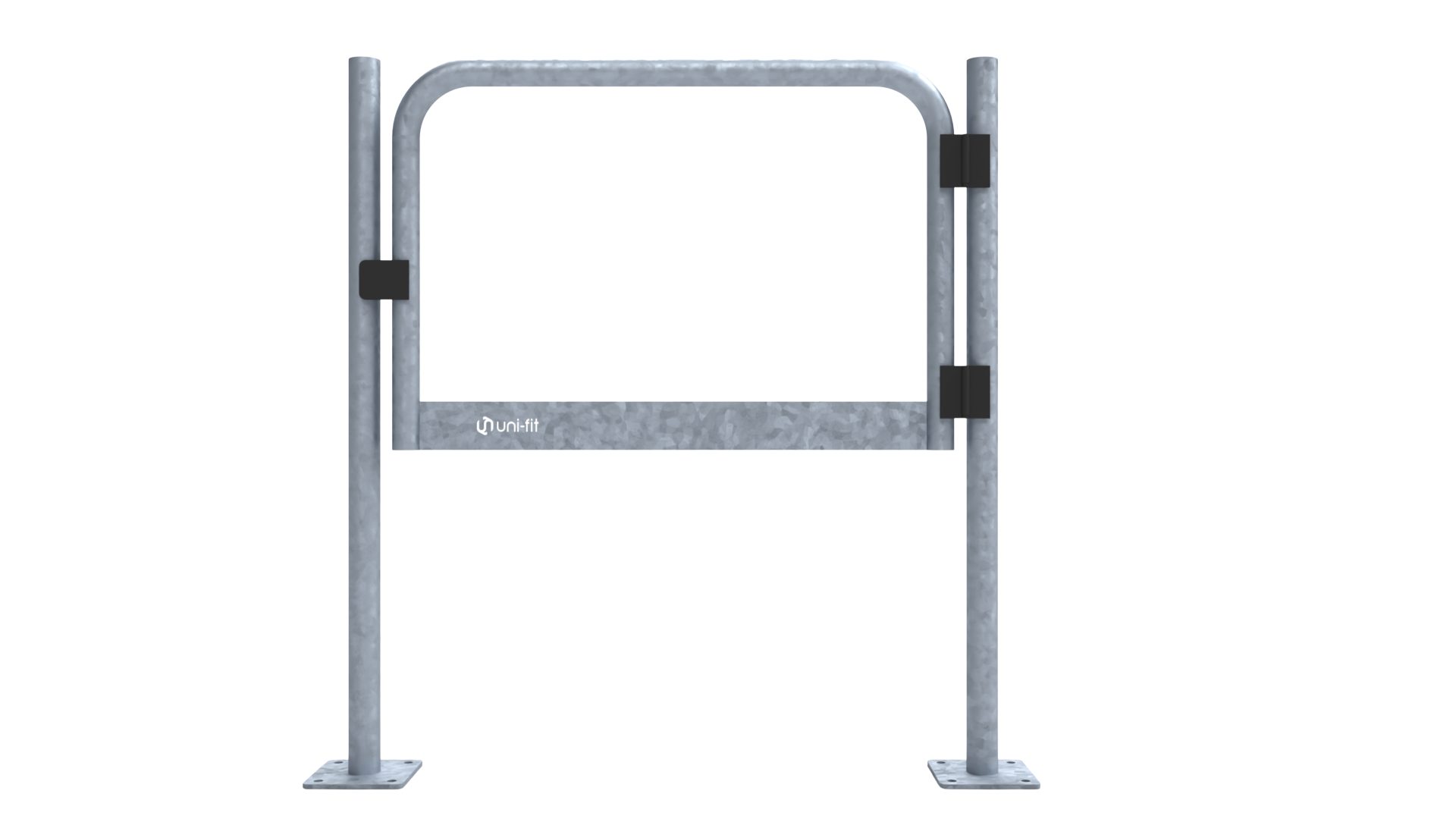
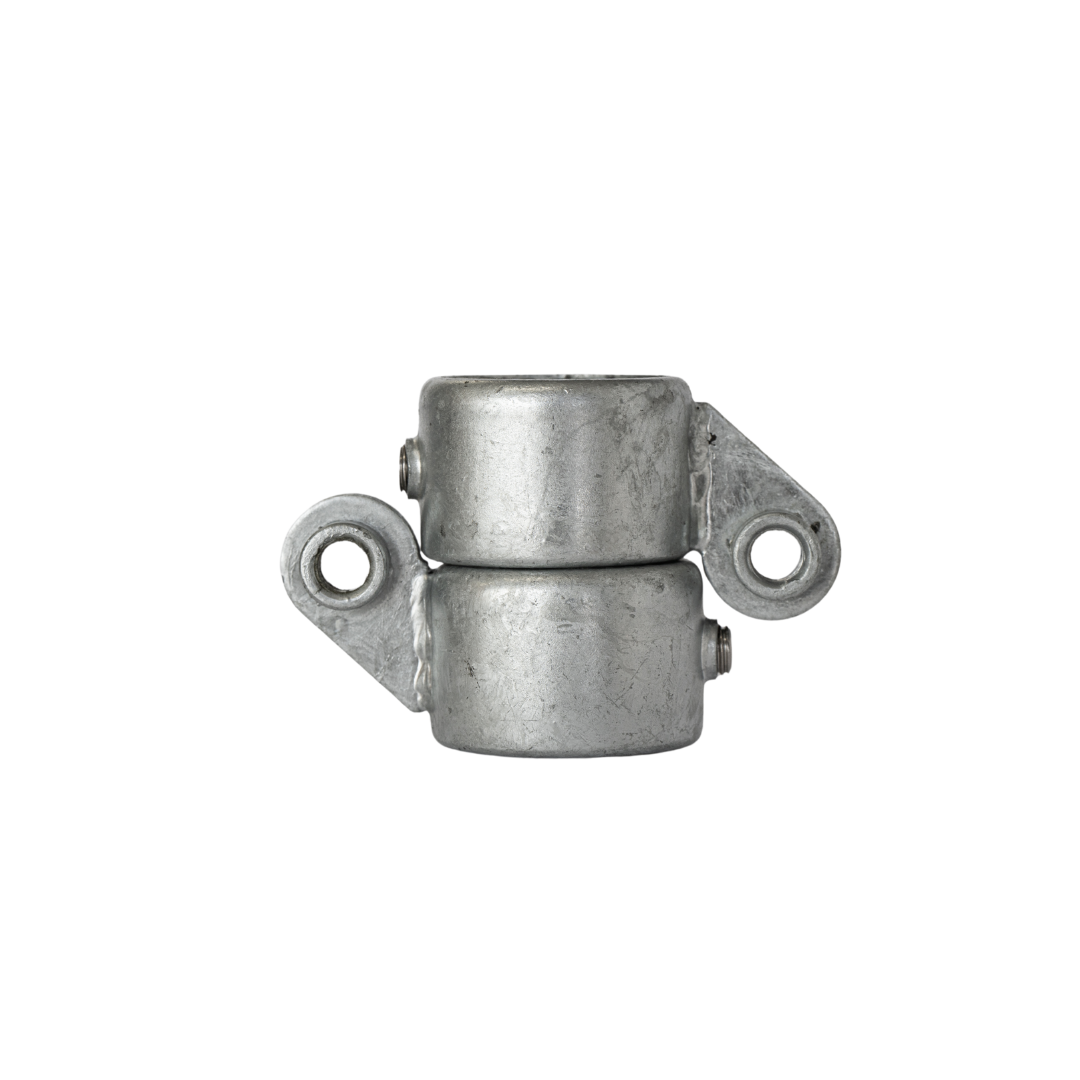
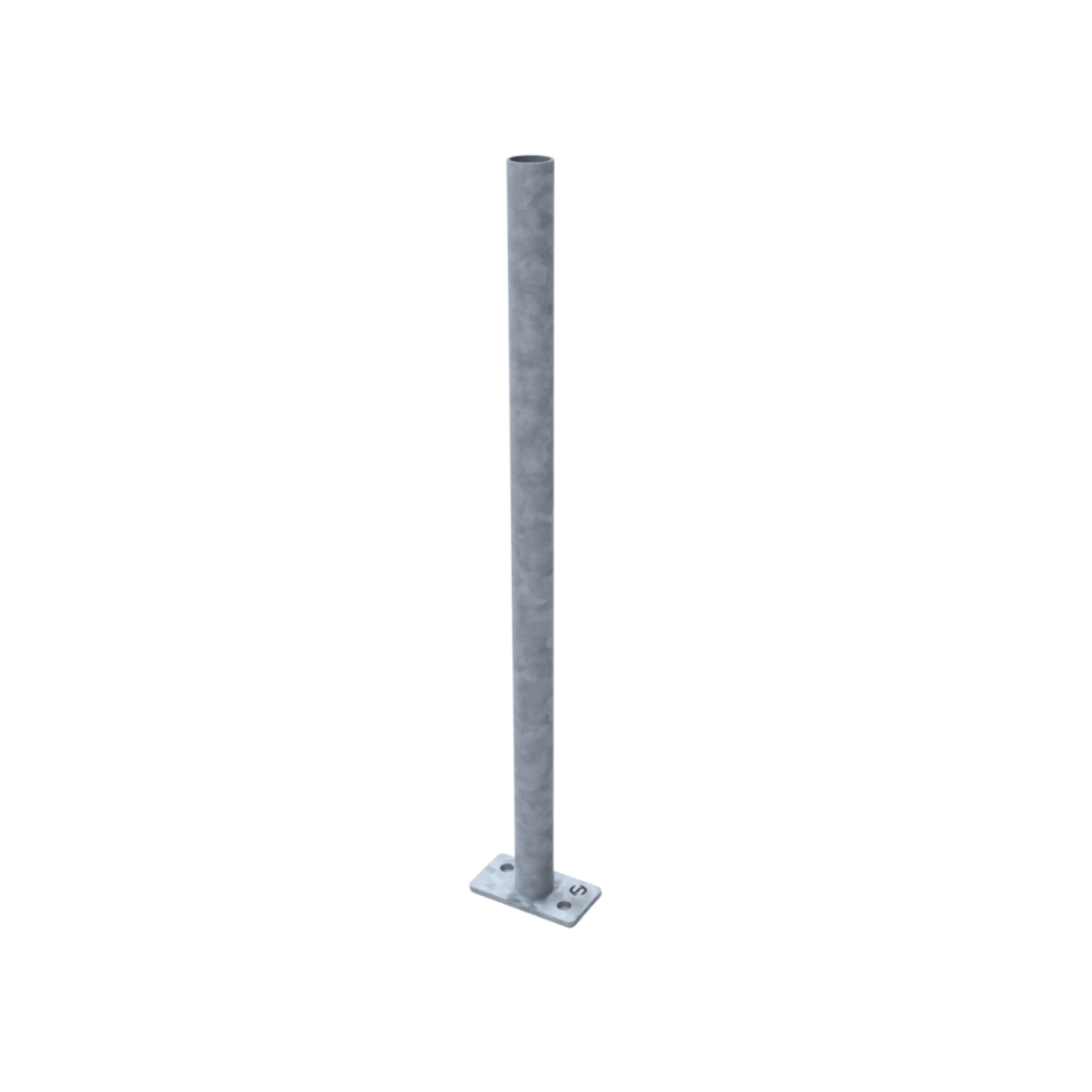
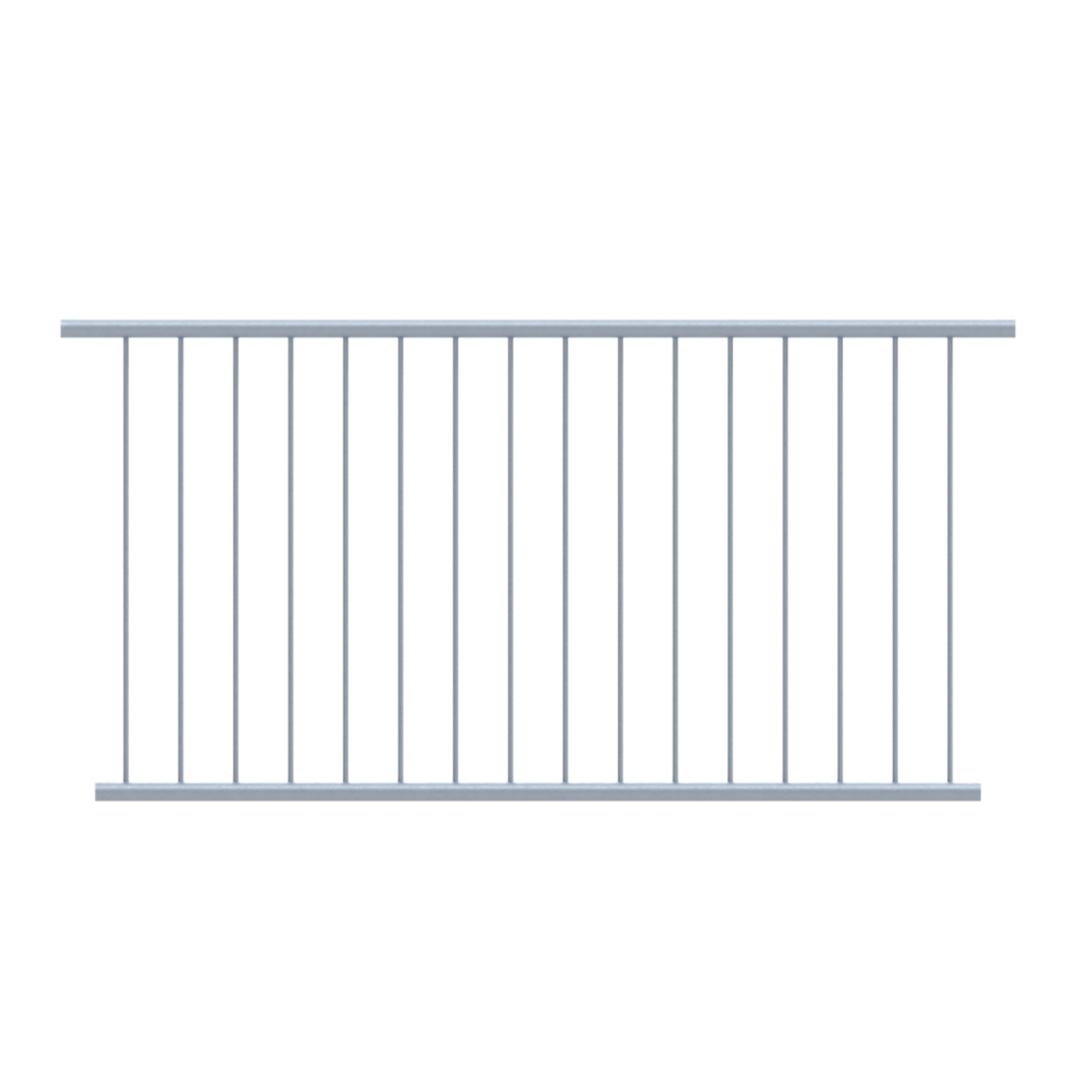
The barrier rail and posts range covers pathway edge protection where the installation is more guardrail than handrail. The pipe rail bend range, including the Safety Rail Bend in 32NB and 40NB, handles stairway runs and DDA-compliant ramp terminations. Pedestrian swing gates cover controlled access points on utility assets. Everything bolts together with a simple Allen key bolt & grub screw system.
View the full product range at uni-fit.com.au/products, or download the product catalogue at uni-fit.com.au/uni-fit-product-catalogue. For project-specific questions, contact the team at sales@uni-fit.com.au or call 1800 868 544.
Quick Reference: Key Requirements By Standard
Use this as a starting point. Always confirm requirements with your project certifier or council engineer before finalising your specification.
AS 1428 (public pedestrian access)
– Top rail 865mm to 1000mm above floor or nosing line
– Graspable diameter 32mm to 50mm circular (or equivalent non-circular)
– Minimum 50mm clearance from any adjacent wall
– Continuous rail with horizontal extensions at top and bottom of each flight
– Both sides on accessible ramps steeper than 1:20
– Visual contrast between rail and surroundings (AS 1428.2)
– No sharp edges or open tube ends
AS 1657 (worker access on public assets)
– Handrails required on all exposed edges with a drop over 300mm
– Top rail 900mm to 1100mm throughout
– Mid rail (knee rail) at minimum 560mm from floor
– Toe board at minimum 100mm high at all platform edges
– Graspable diameter 30mm to 65mm circular
– Post spacing and load compliance confirmed by engineering documentation
– Self-closing gate at any controlled access opening over a drop