
If you’re specifying or installing handrails in an industrial or commercial setting, AS 1657:2018 is one of the standards you need to understand. It governs the design, construction, and installation of fixed platforms, walkways, stairways, and ladders. Getting it wrong means failed inspections, rework costs, and potential liability under Australia’s Work Health and Safety laws.
What AS 1657:2018 Covers
The full title is AS 1657:2018: Fixed Platforms, Walkways, Stairways and Ladders: Design, Construction and Installation. It applies to:
- Guardrails and handrails on elevated platforms and walkways.
- Stairways in industrial and commercial settings.
- Fixed ladders for safe access.
- Edge protection where personnel may be exposed to fall risk.
It’s important to understand what it doesn’t cover. AS 1657 doesn’t apply to domestic stairs, public building handrails addressed by AS 1428(the DDA standard), or architectural balustrades under the National Construction Code (NCC). If you’re unsure which standard governs your project, confirm with your building certifier before you specify anything.
The Regulatory Link: WHS Laws and AS 1657
AS 1657 is a technical standard, not a piece of legislation. But it sits squarely within the obligations imposed by the Work Health and Safety Act 2011 (and its state equivalents), which require a Person Conducting a Business or Undertaking (PCBU) to manage risks to health and safety so far as is reasonably practicable.
Safe Work Australia’s Code of Practice for Managing the Risk of Falls at Workplaces identifies compliant guardrail and handrail systems as a key fall prevention control. In practice, regulators and safety inspectors treat AS 1657 as the benchmark for best practice in fall prevention. Non-compliance can lead to improvement notices, fines, and in the event of an incident, prosecution.
The Key Requirements
When Is Handrailing Required?
Handrailing is required on the exposed sides of platforms, walkways, and landings where the height exceeds 300mm. If there’s a drop of 2 metres or more, guardrails and toeboards become mandatory. Don’t wait until something is obviously dangerous to specify edge protection. The threshold is lower than most people expect.
Rail Heights
For platforms and walkways, the top rail must be between 900mm and 1100mm above the walking surface, measured vertically. On stairways, the measurement is taken vertically from the nosing of the tread, not from the floor at the base of the stair. That distinction catches people out regularly.
Where the fall height is significant, or where personnel may be exposed to wind forces at height, the standard recommends increasing the guardrail height to at least 1000mm.
Mid-Rails
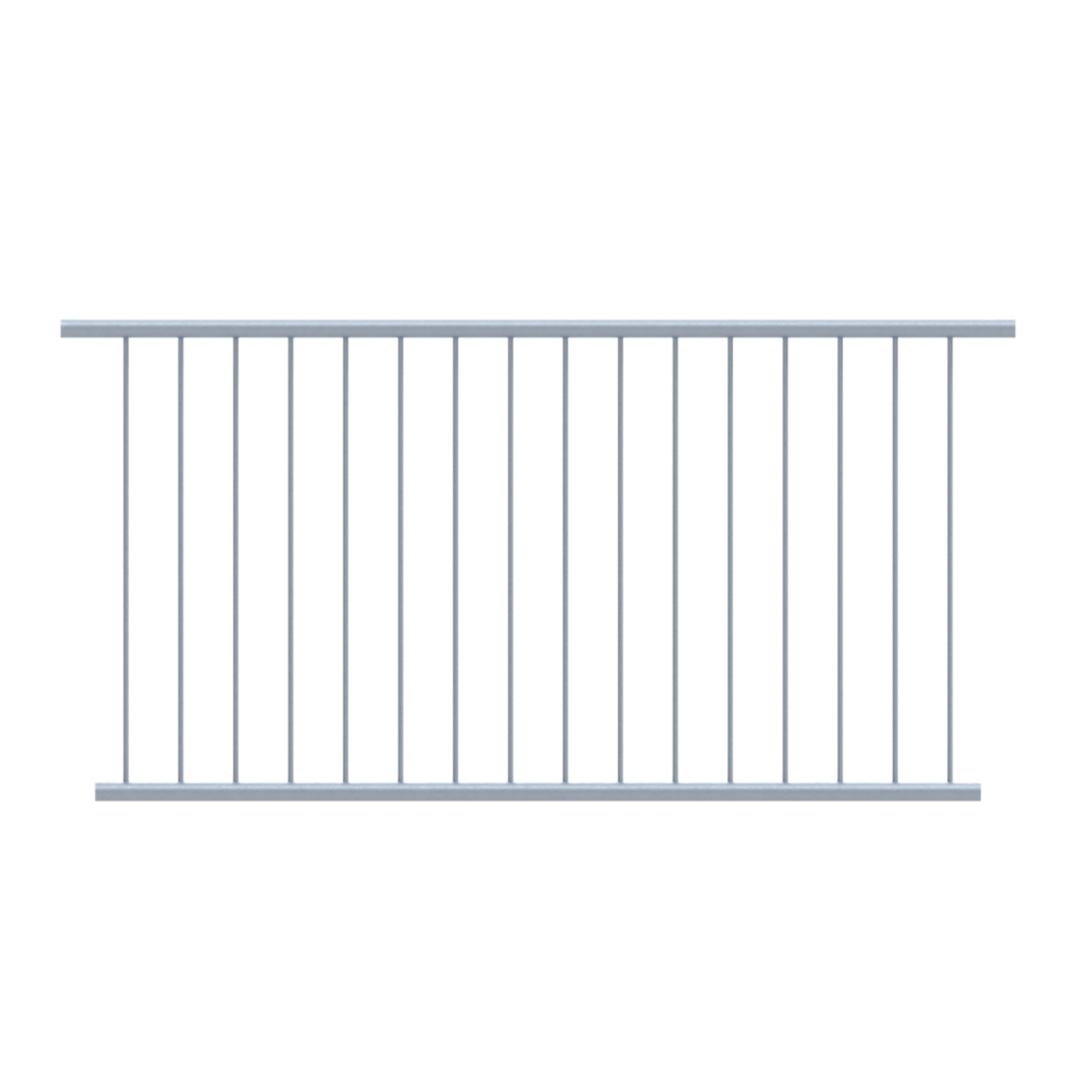
A guardrail system needs a top rail and at least one intermediate (mid) rail. The maximum clear gap between rails must not exceed 450mm. Where no toeboard is fitted, the gap between the lowest rail and the floor must not exceed 560mm. Where a toeboard is fitted, the gap between the lowest rail and the top of the toeboard must not exceed 450mm.
This is one of the most commonly missed requirements. A top rail alone does not make a compliant guardrail.
Toeboards and Kickplates
A toeboard must be installed where an object could fall from a platform or walkway onto an area where people have access below. The toeboard must be at least 100mm high above the walking surface, and the gap between the underside of the toeboard and the floor must not exceed 10mm. This applies anywhere tools, materials, or equipment are present near an exposed edge.
Structural Loadings
The standard sets clear structural requirements. Guardrails must be designed to sustain a single horizontal or downward force of 600N applied at any point on the top rail or intermediate rail, or a distributed load of 350N per metre. No part of the system should deflect more than 100mm elastically under those loads.
For external installations, wind loading per AS/NZS 1170.2 must also be considered.
Toeboards must withstand a horizontal force of 100N without deflecting more than 30mm or creating a gap greater than 10mm at the floor.
Handrail Dimensions
Circular metal handrails must have an external diameter between 30mm and 65mm. For square or rectangular handrails, the sum of the height and width must be between 70mm and 100mm. A minimum 50mm clearance is required between the handrail and any adjacent structure, enough for a hand to grip and move freely along the rail without obstruction.
Common Compliance Failures
Missing mid-rails. The top rail gets specified; the mid-rail doesn’t. This is arguably the most common non-compliance on industrial projects.
Wrong stair measurement. Measuring rail height from the floor rather than from the nosing line produces a non-compliant result on any stairway steeper than 20 degrees.
No toeboard where one is needed. Toeboards are often treated as optional. They’re not. Where there’s any risk of objects falling onto people below, they’re required.
Older installations assumed compliant. The 2018 revision of AS 1657 refined several requirements around fall protection, loading performance, and ladder access. Systems installed under older versions may not meet the current standard. If you’re certifying an existing facility, check it against the current version, not what was acceptable when it was built.
Assuming AS 1657 doesn’t apply. It applies any time maintenance, inspection, or operational personnel access elevated areas in a workplace. If your team goes up there, the standard applies.
A Quick-Reference Summary
| Requirement | Specification |
| Handrail required from | 300mm drop |
| Guardrail required from | 2m drop |
| Top rail height (platforms) | 900mm to 1100mm |
| Top rail height (stairways) | 900mm to 1100mm measured from nosing |
| Maximum rail gap | 450mm |
| Gap (no toeboard) | 560mm max from floor |
| Toeboard height | Min 100mm |
| Toeboard gap to floor | Max 10mm |
| Point load (guardrail) | 600N |
| Distributed load (guardrail) | 350N/m |
| Max deflection | 100mm |
| Circular handrail diameter | 30mm to 65mm |
| Hand clearance | Min 50mm |
How Modular Fittings Help with Compliance
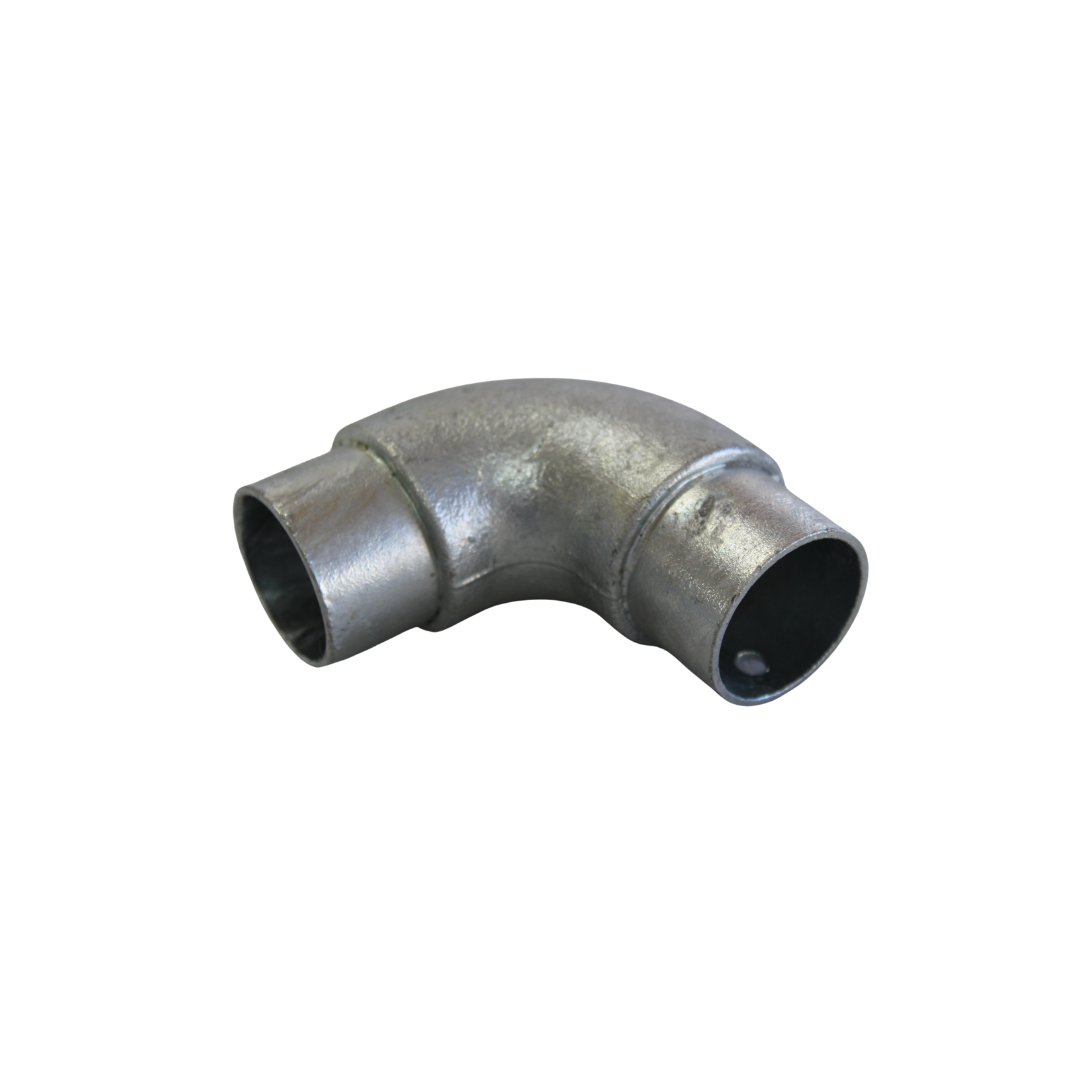
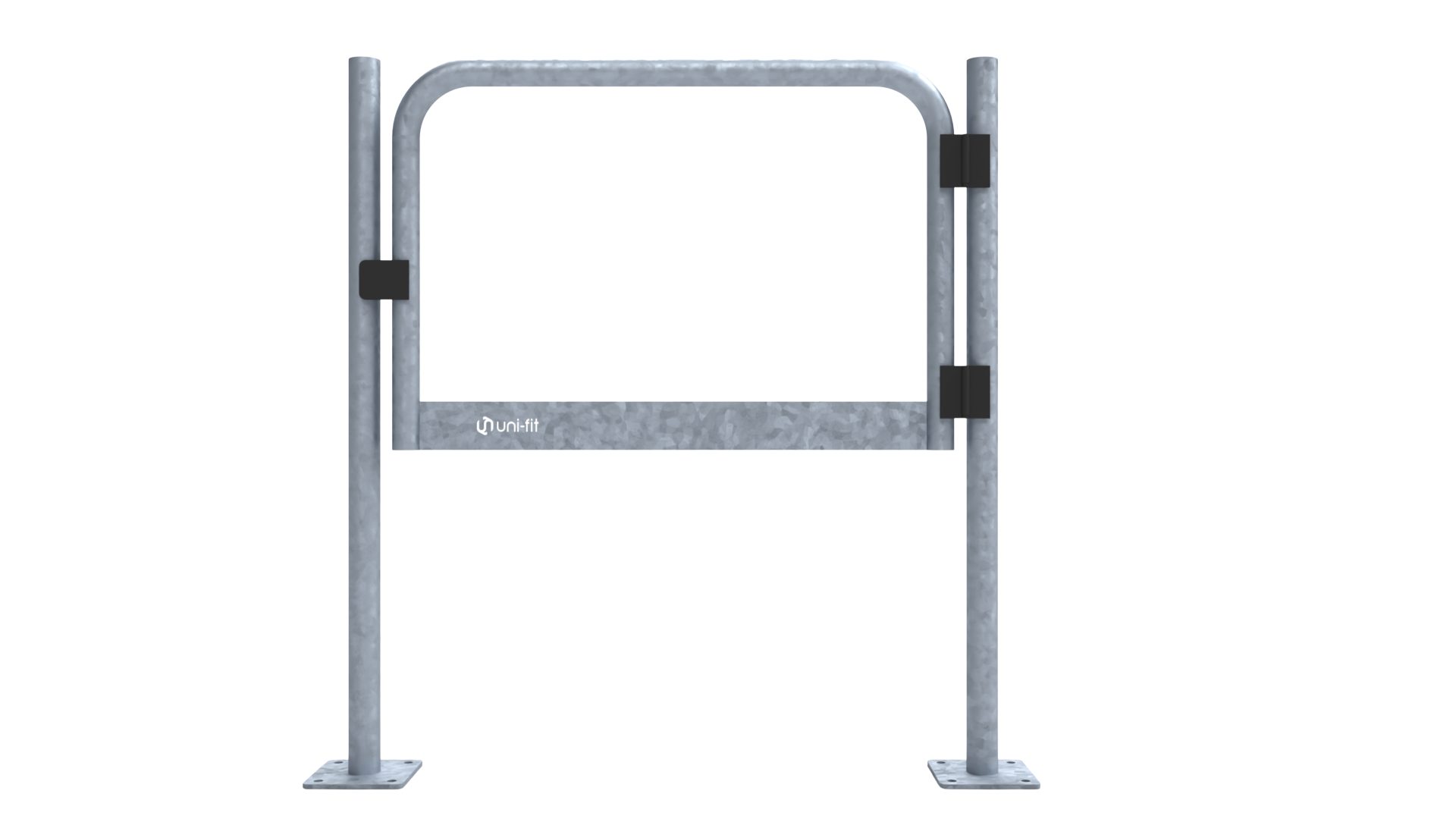
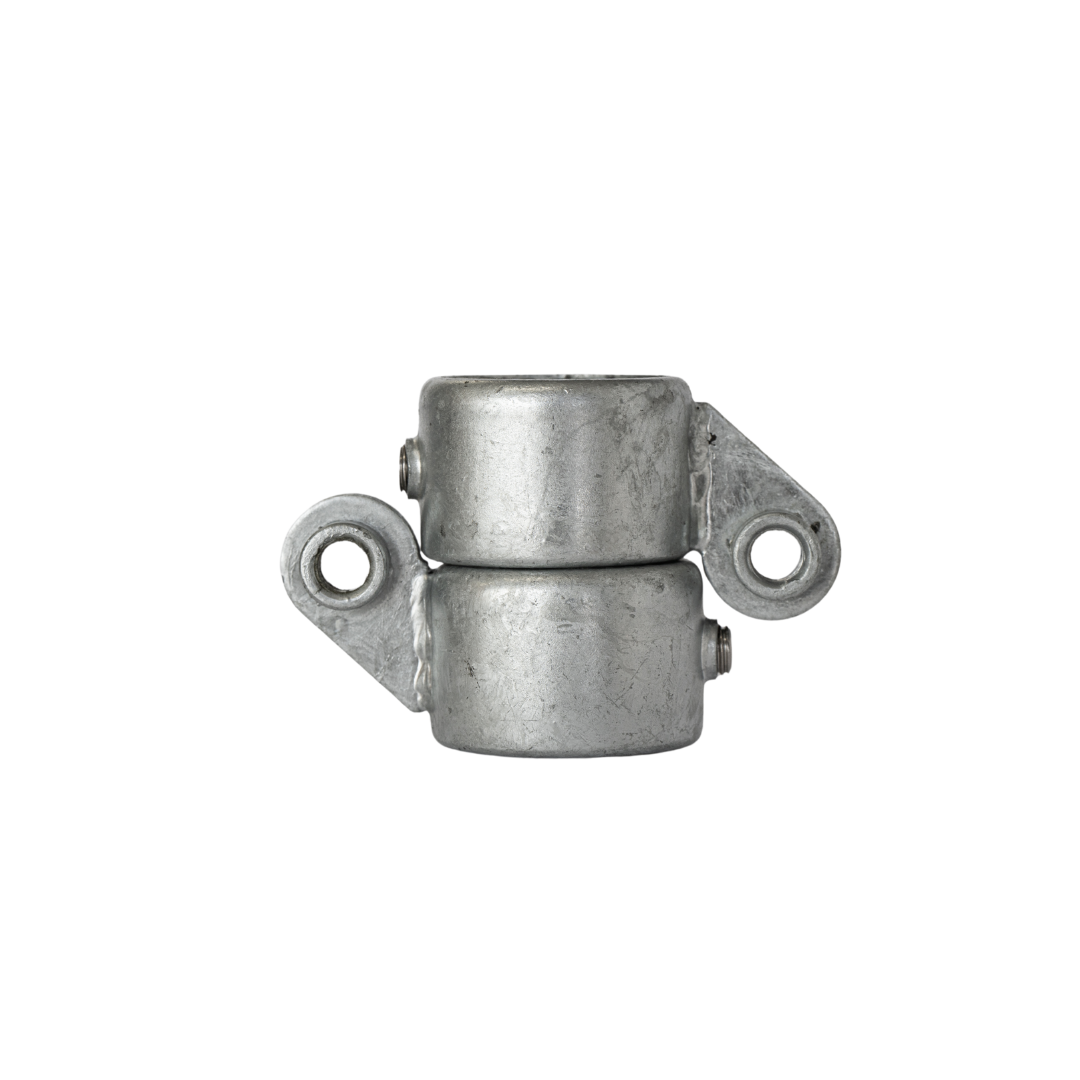
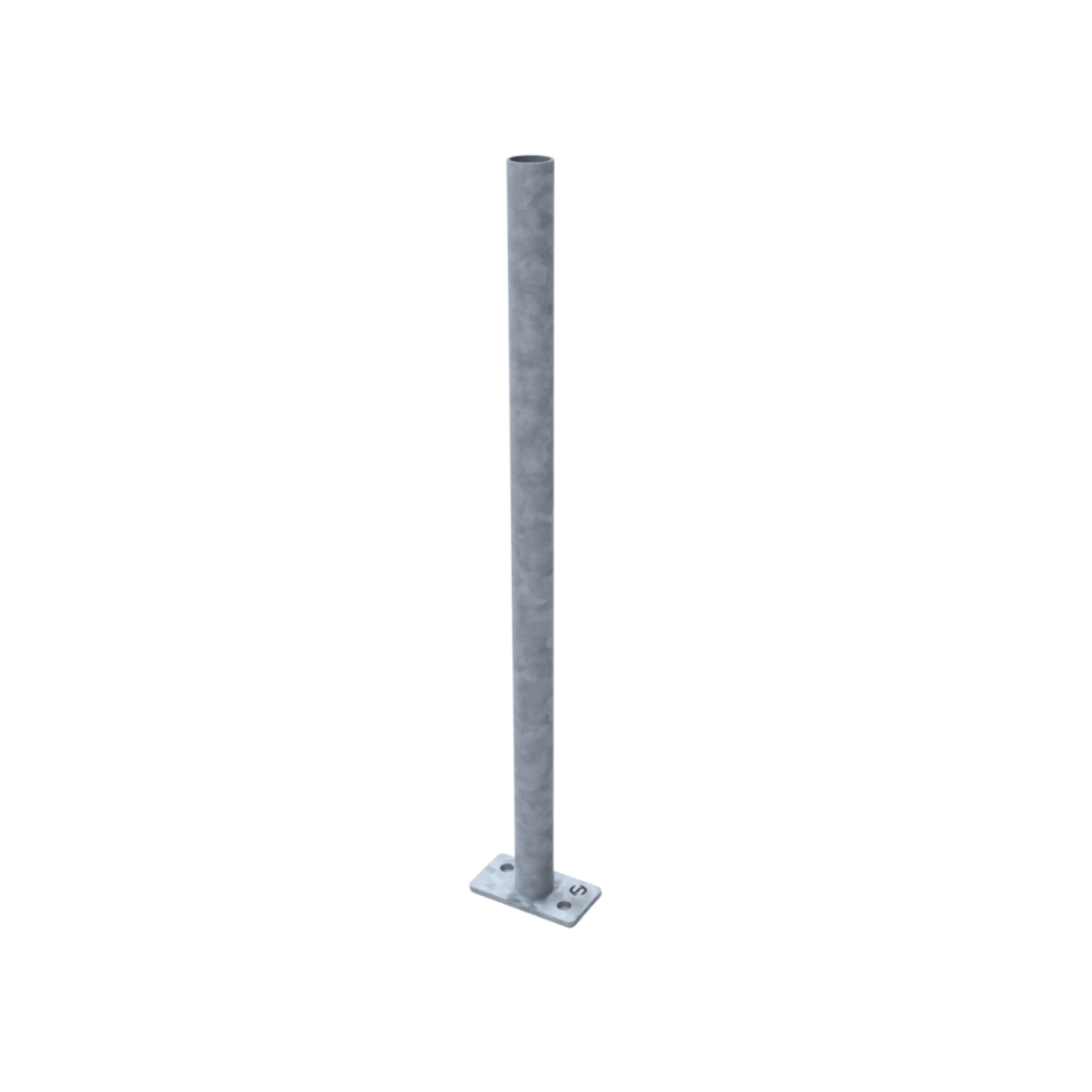
Specifying a modular system like Uni-Fit gives you components that are designed and rated to AS 1657 requirements. The handrail connection components, baseplates, stanchions, kickplates and gates all accommodate standard rail heights, mid-rail positions, and kickplate provision, all within the modular format. When something changes on site, you adjust fittings rather than going back to a fabrication shop.
For projects where you need documented compliance, check the product specifications for load ratings before specifying. If an engineer or certifier is reviewing the system, having rated components with documented load data simplifies that process considerably.
Where to Get the Full Standard
The complete AS 1657:2018 standard is available through Standards Australia. For WHS obligations and the Code of Practice for Managing the Risk of Falls at Workplaces, refer to Safe Work Australia.
Always read the full standard for your specific application. This article is a plain-language summary, not a substitute for the standard itself.
Have a project that needs AS 1657-compliant handrailing?
Request a quote or download the Uni-Fit product catalogue to see the full range.